
There are reports that a face in a group photo looks better than the same person's face cropped out on its own. The cheerleader effect refers to this difference. Research by Walker and Vul around 2013 popularized the name by reporting a pattern in which attractiveness ratings after seeing several faces together came out higher than when a face was shown alone. One proposed explanation is ensemble coding: the visual system first captures the average impression of the group, and the perception of each face is pulled slightly toward that average. If the average softens an individual's noticeable flaws, the same face can look more attractive in a group. Follow-up reports suggest the effect is not large, and it can vary with the group's makeup and how the faces are presented. Despite the name, it is not a law about cheer squads.

When the group average pulls on a single face
A face seen alone tends to show its own features as they are. When several faces are seen together for a short time, the visual system may build a summary of the group first rather than completing each face one by one. If that summary, an impression close to the average, shifts the baseline for individual ratings slightly, noticeable asymmetries or extreme features may stand out less. That is the gist of the ensemble explanation. There are alternative explanations too: attention may be divided, presentation order and contrast may change the scores, or the composition of the photo itself may differ from a solo shot. Insisting on a single route leaves only the name of the effect and erases its conditions.

Separating it from the halo effect and mere exposure
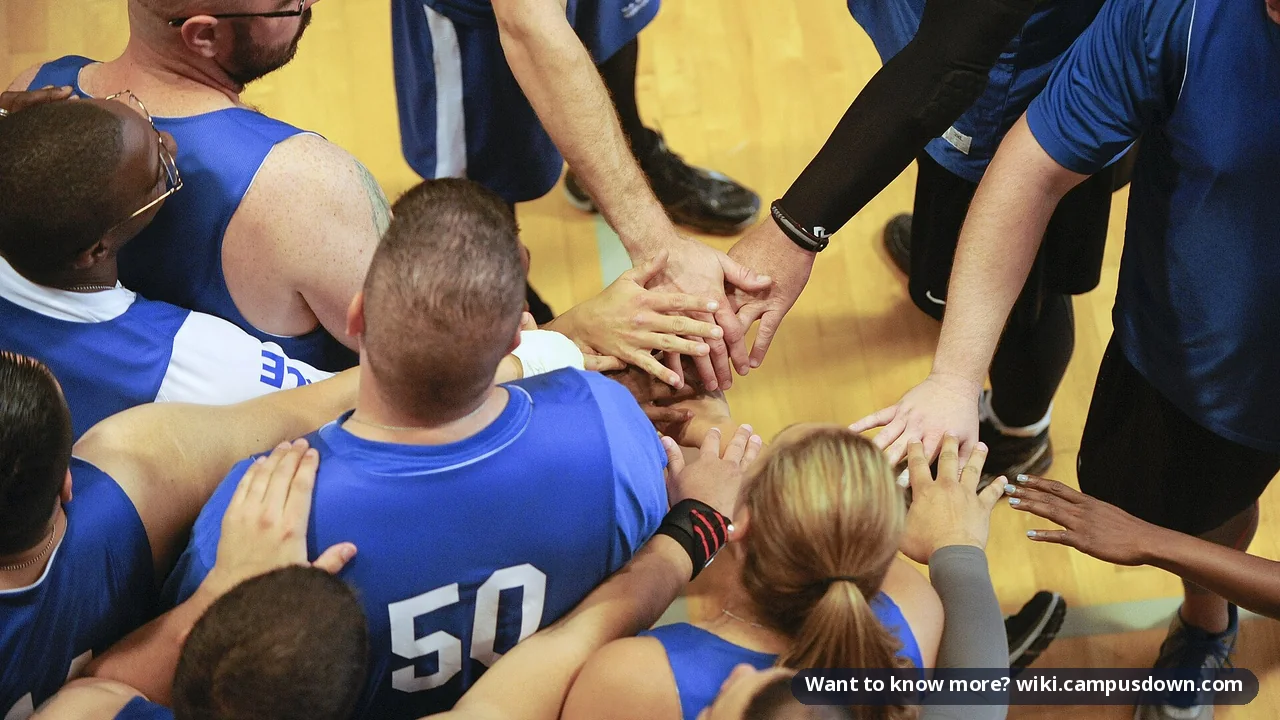
The halo effect is closer to one standout trait coloring other parts of an impression. The cheerleader effect is closer to how a scene of several faces shown together is encoded. Mere exposure is the route by which repeated encounters can increase liking, and the spotlight effect is closer to overestimating how much attention you get. The primacy effect is when information that arrives first anchors an impression. Mixing these names attaches a one-line prescription: "Be in a group and you'll look more attractive." Keeping them apart lets you ask whether a score rose because of the pull toward the average or because another trait colored the impression.
| How it is presented | What tends to happen to the score | What is easy to overread |
|---|---|---|
| Shown with several other faces | The score can look higher as it is pulled toward the average | Note the effect size and the group's makeup together |
| The same face shown alone | Individual features tend to show more as they are | Treat the two presentations as different measurements and compare them |
| Time spent together and conversation | This is liking within a relationship, not this effect | Don't reduce it to an average in face perception |
Keeping the effect size in view when reading group photos
In profile photos, team introductions and event records, this name easily turns into a prescription. The practical balance is to note two things together: solo and group presentation may be different measurements, and the difference is not always large. Using a small shift in attractiveness scores as grounds for decisions about relationships or hiring is an overreach. If the group's makeup changes, for example if the average drops or one face stands out sharply, the direction can change. When choosing a photo, contrasting a solo and a group shot once more under the same conditions is truer to the concept than assuming "adding a group helps."
Checks for not turning group attractiveness ratings into an overblown prescription
- Treat solo and group presentation as different measurements, and compare them once more under the same conditions
- Note that the effect may be small and that its direction can change if the group's makeup changes
- Don't mix the name up with the halo effect or mere exposure; first note whether the issue is the pull toward the average
- Don't use a small shift in scores as grounds for relationships or hiring, and don't reduce liking built from time spent together to this effect
Liking in relationships that isn't this effect
Coming to like the people you are with happens through many routes. Shared work, conversation and overlapping time are not the cheerleader effect. Reducing liking in every group setting to an average in face perception is a misuse of the concept. The name points only to situations where attractiveness ratings can shift in brief presentations; it does not explain a whole relationship.
Knowing about the cheerleader effect doesn't make group photos the answer to attractiveness. If you note in one line that solo and group shots are different measurements, you can avoid turning a small shift in scores into an overblown prescription.