
A 1930s-style radio standing in a living room first shows the anxieties and hopes of an era when a single voice reached many households at once. A wartime poster in a museum display case signals that the voice has become a relic of the past, but it is also a warning that an old model can come back to life as an explanation for today. The hypodermic needle theory is an early model that took hold in popular discussion in the 1930s and 1940s; it is also called the magic bullet theory. It holds that the media inject messages directly into audiences and produce similar effects. Later research on limited effects and the two-step flow heavily revised that picture. Audiences are not empty vessels; personal relationships and existing attitudes meet the message. Mean world syndrome looks at long-term cultivation, and framing looks at the choice of frame. This article does not raise the early model into a truth for today. Read the authority of the radio as proof that messages are "still injected just the same," and both the historical place of the model and the place of its revision blur at once.

Where the early picture of direct injection stood
The heart of this model is that it treats audiences as vessels that respond alike. The picture in which a message goes in and similar effects come out fit well with the anxieties of an era when radio, film and wartime posters reached many homes at once. The nickname "magic bullet" compresses that directness and uniformity into a single phrase. The picture was also an attempt to understand the political propaganda and the expansion of mass media of the time. A balanced account keeps apart the claim that direct injection explained the anxieties of the day and the claim that this explanation was settled by observation. The radio in the living room shows a scene of authority, but that scene is not proof of an effect.
| Reading | What tends to happen | What to note alongside it |
|---|---|---|
| Reading the early model as "it still holds exactly as it is" | The research that revised it easily hides beneath the scene of authority | Note the historical picture and its later revision separately |
| Merging it with cultivation and framing into "the media manipulate" | Immediate injection, accumulation and the choice of frame easily blur together | Note the model's unit and the focus of neighboring theories separately |
| Labeling the revision "there are no effects" | Audience choice and interpersonal flow easily hide beneath the language of nullity | Set limited effects and a reading of no effects at all side by side |

Separating limited effects, the two-step flow, cultivation and framing
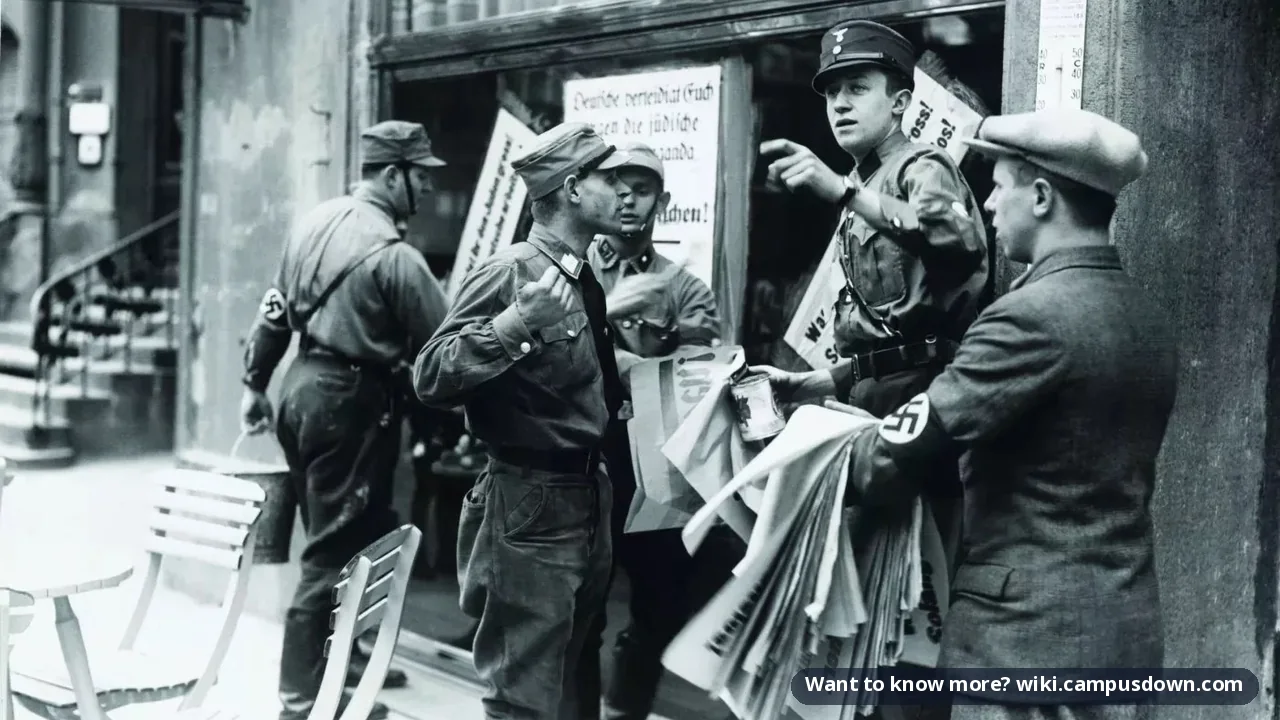
Limited-effects research found that even when a message gets through, its effects are not uniform, because existing attitudes and selective exposure intervene. The two-step flow holds that media messages first reach opinion leaders and then spread more widely through interpersonal conversation. Both revisions move the audience from an empty vessel to a place of relationships and choices. Cultivation theory looks at the gradual slope of long exposure, and framing looks at the choice of frame. Merge the four pictures into the single line "the media manipulate people," and the historical model, the time scale of accumulation and the choice of frame all blur at once. A balanced account keeps apart the claim that the model has been revised and the claim that media have no effects at all.
In practice: not turning a historical model into a truth for today or a slogan of no effects
In media history classes, propaganda exhibitions and discussions of media effects, using this model means showing the early picture and its later revision separately. In practice, balance means keeping three things side by side: noting what anxieties the picture of direct injection tried to explain; noting what limited effects and the two-step flow revised; and not stamping it with "still exactly the same" or "there are no effects." Talk only about the radio and leave out the revisions, and it becomes a truth for today; talk only about the poster and leave out the anxieties of history, and the model becomes nothing more than a joke. The key is to use the theory as a check on history without raising the magic bullet into a slogan for the present.
Checklist for using a historical model without closing it into a truth for today or a slogan of no effects
- Note what anxieties the picture of direct injection tried to explain, and do not hide that the picture was never settled by observation
- Do not blend it with cultivation and framing into "the media manipulate"; note immediate injection, accumulation and the choice of frame separately
- Do not label the revisions of limited effects and the two-step flow "there are no effects"; note audience choice and interpersonal conversation as well
- Use the theory as a check on history; do not settle a truth for today on the authority of the radio alone, and do not raise the magic bullet into a slogan for the present
Knowing the hypodermic needle theory does not mean today's media effects are straightforward injection, or that they do not exist at all. Writing the early picture, limited effects and the revision of the two-step flow on a single line makes it less likely that the model turns into a slogan of present-day truth.