
When an appeal for help carries a name and a photo, people picture that one person vividly and open their wallets and calendars. When the same harm is reported only as a count of how many people are at risk, the response can be strikingly weak. The identifiable victim effect names this gap. After Schelling distinguished what he called statistical lives from identified lives, research on giving and policy responses confirmed across many settings that faces, names and personal stories pull attention to one place. Seeing one person clearly is not a moral failure. But institutions can hardly ignore the fact that attention does not grow in proportion as the numbers get bigger.
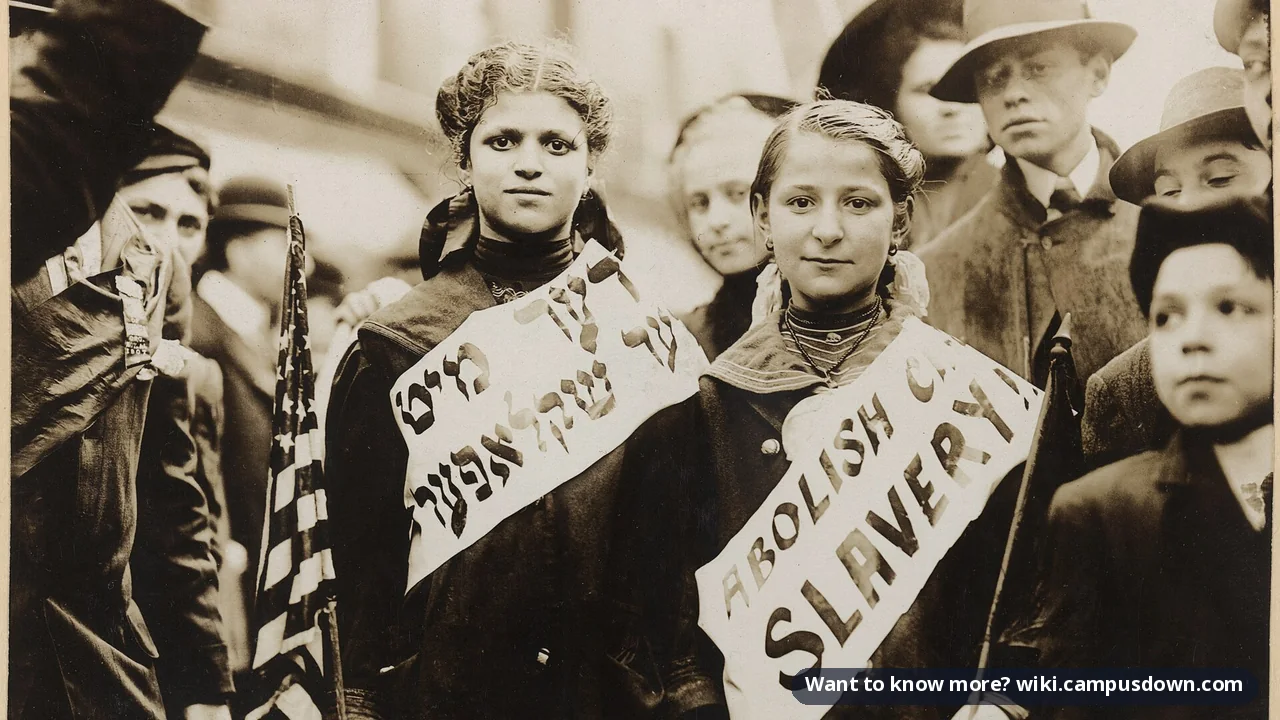
Why attention gathers when there is a face

Identifiability turns an abstract total into one person's scene. A name, an age, a photo and a short story make that person the protagonist and make it easy to imagine what help would achieve. Once there is a sense that "my help can reach this person," the same amount of money or time takes on a sharper meaning. Where only totals remain, by contrast, responsibility scatters even when the harm is large, and without a face, feeling has nowhere to settle. The core of the effect is not cruelty but whether there is a place where attention and feeling can attach.

Where it differs from compassion fade and psychic numbing
The three names often overlap in a single situation. The identifiable victim effect, however, focuses on whether one person becomes vivid. Compassion fade is about quantity: feeling and action can weaken as the number of people in need grows. Psychic numbing is closer to responses going dull when the scale of harm becomes enormous. Keeping apart the pull of one face, the way numbers dilute feeling, and the way vast scale shuts down perception keeps the remedy from shrinking to "just add another personal story."
| Form of the target | How attention gathers | What to keep alongside it in design |
|---|---|---|
| One person with a name, face and story | The result of helping becomes vivid, making action easier | The totals that person represents and how they were selected |
| Anonymous totals, statistical lives | Responsibility scatters and feeling has little to hold on to | Don't lead with numbers alone; translate what one case means |
| Fundraising and coverage concentrated on one story | That one person may be helped while the rest are pushed out of view | State whether the same criteria apply to other cases |
Striking a balance in giving and institutions
When fundraising and coverage gather around a single story, that one person may get help while others in the same situation are pushed out of view. Leading with totals alone, on the other hand, may not spur any action. The practical balance is to show the face while keeping the totals and criteria it represents right beside it. Explaining who was chosen to be featured, and stating whether the same criteria apply to other cases, lets you use the power of identification while making its bias a little more visible.
Checks for using identification while exposing its bias
- When showing one person's face and story, put the totals that person represents in the same place
- Explain why this case was featured and whether the selection criteria apply to other cases
- Set an appeal that leads with totals beside one that leads with a face, and see where the response pours in
- Don't assume a weak response is only about a lack of identification; also note distance, distrust and institutional limits
Silence the effect doesn't explain
Not every event that draws a weak response is due to a lack of identification. Distance, boundaries between groups, distrust, attention that is already exhausted and institutional incompetence also create silence. Claiming that adding a face will always increase donations also goes beyond the concept. The identifiable victim effect points only to one route by which attention gathers on one person; it does not cover every cause of indifference.
Knowing about the identifiable victim effect doesn't mean taking faces away. But keeping the numbers and criteria a face represents beside it can slow down the way attention focused on one person erases everyone else. One vivid person and the many inside a total were never on the same scale to begin with.