
A judge writing notes on the bench during a hearing shows first that, beyond the wording of legal texts, the texture of the facts seeps into rulings. Files piled up at the intake window of a lower court signal that law in books and law in action don't move at the same pace. Legal realism is a movement and theory developed in the early 20th-century United States by Holmes, Llewellyn, Frank and others, starting from a critique of formalism. It reads rulings as depending not only on legal texts but also on fact-finding, policy and judges' attitudes. Holmes's famous remark is closer to urging us to view law from the standpoint of prediction; Llewellyn distinguished law in books from law in action; and Frank emphasized the uncertainty of fact-finding. Legal positivism asks by what the existence of law should be identified, and living constitutionalism asks normatively how legal texts should be read. This movement tries to see how courts actually decide. Turn that actual description into the single line "judges are free," and both the place of prediction and the place for criticism disappear.
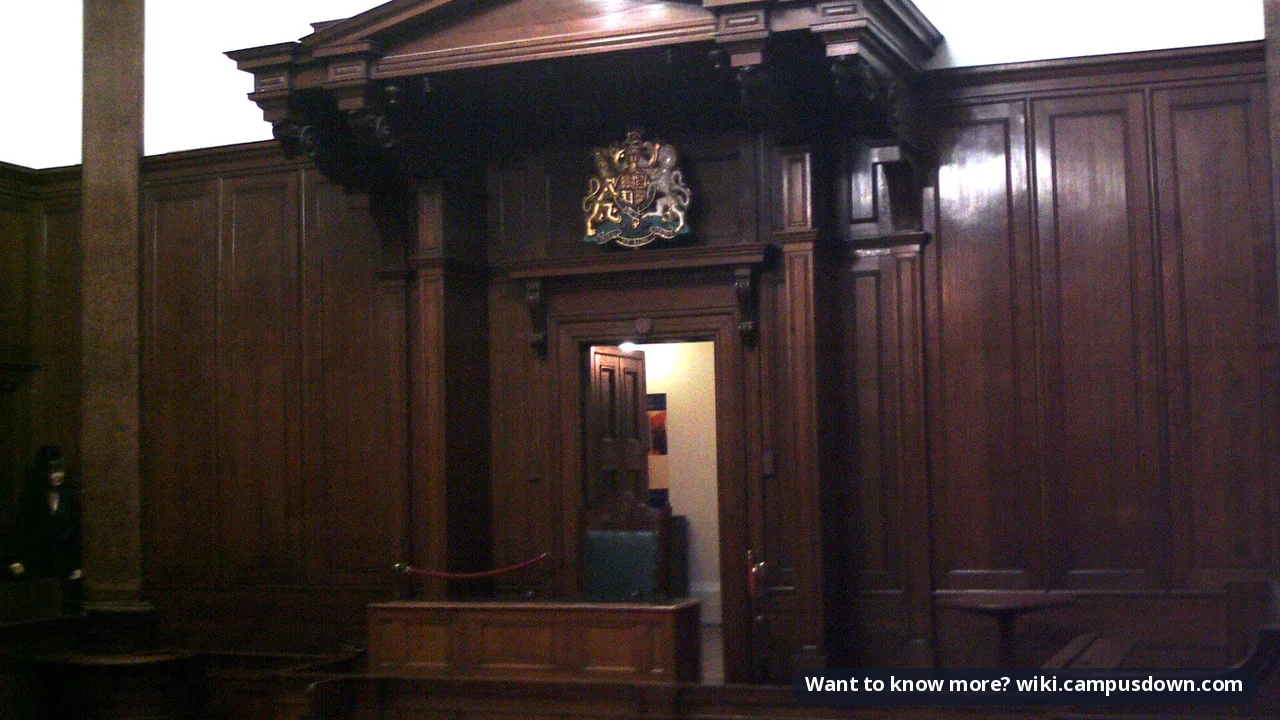
Where law in books and law in action are separated
Formalism tends to read outcomes as following from the wording and logic of legal texts alone. Realism holds that this reading often misses the mark at the intake windows of lower courts and in fact-finding. Even under the same provision, outcomes diverge when people differ over which facts to treat as central and which precedents to place closest. Holmes saw law as something close to "prophecies of what the courts will in fact do," and that remark is less cynicism than an effort to bring the place of prediction into view. Llewellyn's distinction makes us ask, when textbook rules and on-the-ground practice diverge, which of the two we call law. Frank held that when fact-finding wavers, the application of rules wavers too. The balance lies in noting separately the claim that we look at what actually happens and the claim that there are no rules.
| Situation in practice | What tends to happen | What to note alongside it |
|---|---|---|
| Reading the actual description as "there is no law" | The place of prediction easily turns into impressionistic criticism | Separate the rules of legal texts from the route of fact-finding |
| Merging it with legal positivism and living constitutionalism into one line | Criteria of identification, normative claims and actual description easily lose their edge together | Note separately the identification of existence, the norms of reading and the route of decision |
| Stamping judges' attitudes straight away as a political victory | The weight of precedent and fact-finding easily hides beneath absolution or blame | Keep the description of influence and the assessment of rightness side by side |

Separating its place from legal positivism and living constitutionalism
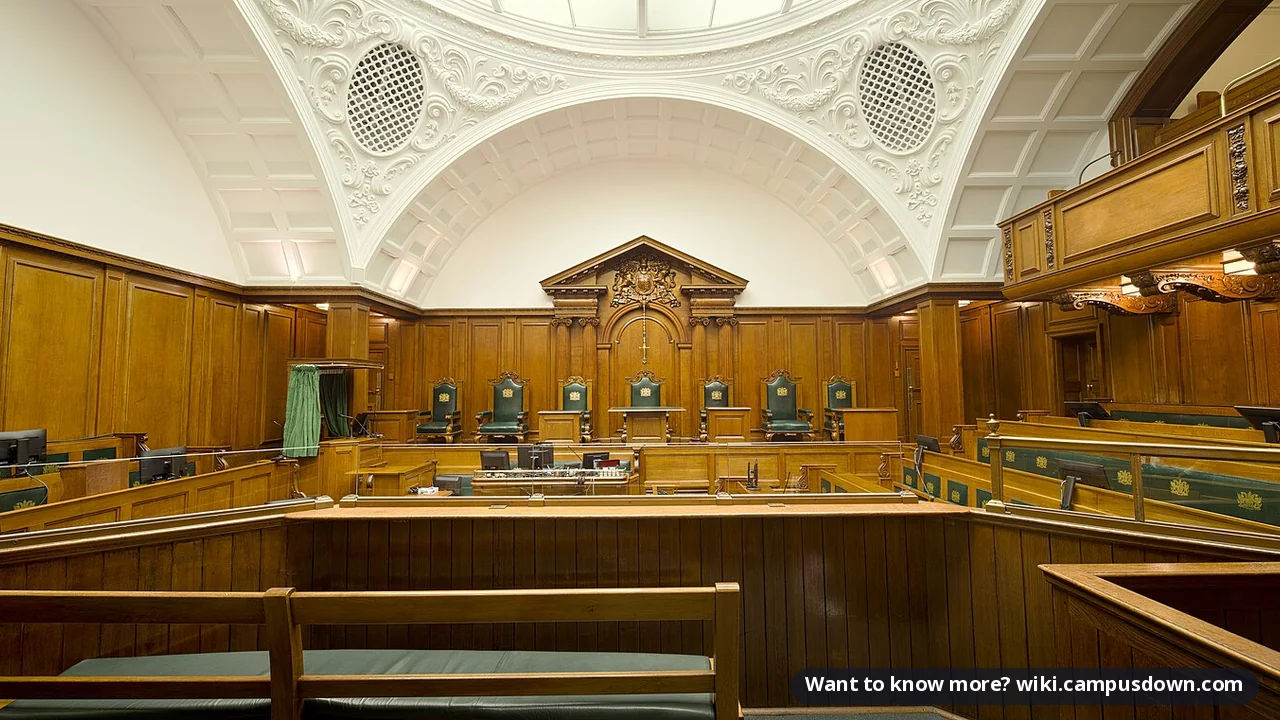
Legal positivism tries to identify which rules exist as law through social facts and chains of authority. Living constitutionalism asks normatively whether the application of a text should grow in today's situations. Legal realism, unlike both questions, tries to see by what route courts actually reach their decisions. Merge criteria of identification, normative claims and actual description into one line, and the edge of all three theories dulls at once. That realism looks at policy and judges' attitudes doesn't mean it approves of those attitudes. Bringing reality into view is closer to adding material for criticism. Turn the theory's name into the single line "judges only do politics," and fact-finding and the weight of precedent are erased.
In practice: not turning actual description into judicial license
Using this movement in law classes, appellate briefs and case assessments means not hiding the routes outside legal texts. The practical balance is to keep three lines side by side: state clearly which facts were treated as central; don't hide which policies and attitudes came into play; and don't turn that influence straight away into license or a political victory. Speak only of the files at the window and leave out the legal texts, and prediction becomes impressionistic criticism; speak only of legal texts and leave out fact-finding, and formalism's misses return. A judge's notes may be not an inner monologue but traces of the work of matching facts to rules. The key is using the theory as a check for prediction and criticism without raising it into the slogan "there is no law."
Checks for using the routes of practice without closing them with a slogan of license
- State clearly which facts were treated as central, and separate the rules of legal texts from the route of fact-finding
- Don't mix the name up with legal positivism or living constitutionalism as "judges are free"; first note whether the issue is "by what route courts actually reach decisions"
- Don't stamp judges' attitudes straight away as a political victory; keep the description of influence and the assessment of rightness side by side
- Use the theory as a check for prediction and criticism without raising it into the slogan "there is no law," and don't close with impressionistic criticism based on the files at the window alone
Knowing legal realism doesn't mean judges should rule as they please. If you note the rules of legal texts, the route of fact-finding and the influence of attitudes in one line, you can keep actual description from turning into a slogan of license.