
Color swatches on a designer's table first show the same spectrum being divided into boxes with different names, and a street sign with two languages side by side signals that the same place can be pointed to with different grammar. The linguistic relativity hypothesis is a claim to which the names of Edward Sapir and Benjamin Lee Whorf are often attached, from the early to mid 20th century. It holds that the structure and habits of the language we use can influence our habits of thought and perception. Experimental psycholinguistics later retested it with color categories, spatial expressions and more. Strong determinism, the reading that language completely determines thought, is rarely accepted. The weak-influence reading, in which habits can tilt attention and memory, is the center of the discussion. Social constructionism holds that categories are maintained in social processes, while this hypothesis asks what tilt the habits of linguistic structure give to thought and perception. This article does not declare a prison of words. Read the swatches as proof that "names create colors," and both shared perception and differences of habit blur at once.

Setting strong determinism nearly aside and noting weak influence
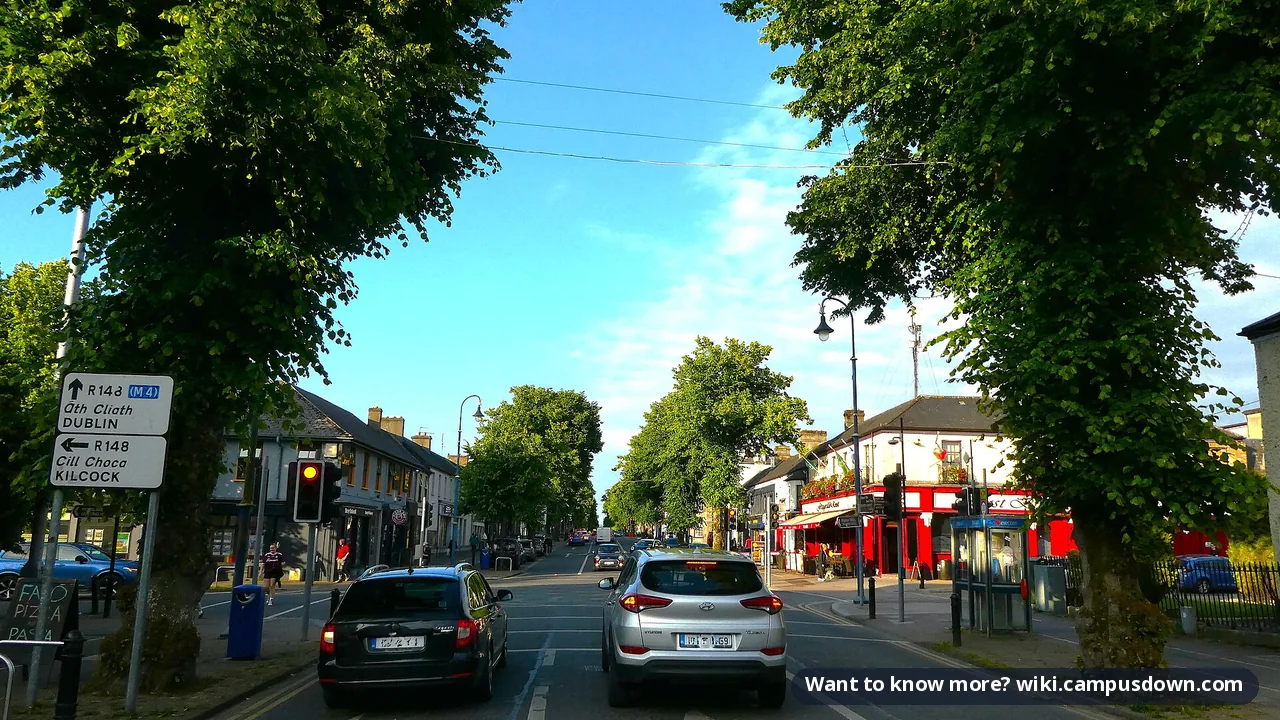
Strong determinism is the reading that language imprisons thought. That reading is hard to square with translation, learning and shared perception, and is rarely accepted. Weak influence is the reading that habits such as color names, number systems and spatial reference axes can tilt the way attention is divided. The tilt is not a wall of impossibility; it often shows up as differences in speed and memory. Even when an experiment shows a difference on one task, the generalization that language determines all thought is more than that data can carry. The boxes of a swatch signal that names divide attention, not proof that color is born from names.

Separating social constructionism from the slogan that words make the world
Social constructionism asks how categories and institutions are maintained in social processes. Linguistic relativity asks, within that process, what tilt the habits of grammar and vocabulary give to attention and memory. Merge the two questions into one line, and the making of institutions and the influence of linguistic habits both blur at once. The slogan "words make the world" is closer to a statement of strong determinism and goes beyond the data on weak influence. The sign in two languages shows that the same street can be called by different habits, not that the street is born from words. A balanced account uses the hypothesis as a tilt of habit without raising it into a declaration that the world is made.
| Reading | What tends to happen | What to note alongside it |
|---|---|---|
| Reading the hypothesis as "language completely determines thought" | Translation and shared perception easily hide beneath the slogan of strong determinism | Note strong determinism and the data on weak influence separately |
| Generalizing a difference on one task into the determination of all thought | The scope of the data easily hides beneath the slogan | Note both the scope of the task and the generalization |
| Merging it with social constructionism into "words make the world" | The making of institutions and the tilt of linguistic habits easily blur together | Note social making and the influence of grammar and vocabulary habits separately |
In practice: not turning a tilt of habit into a slogan of a prison of words
In linguistics classes, translation, bilingual education and the reading of experimental reports on color and space, using this hypothesis means separating strong determinism from weak influence. In practice, balance means keeping three things side by side: noting which habits tilt attention or memory; noting whether the difference stays within the scope of the task; and not stamping the data with "language imprisons thought." Talk only about color names and leave out shared perception, and it becomes determinism; talk only about the sign and leave out differences of grammar, and the scenery becomes the evidence. The key is to use the theory as a check on habit without raising it into the slogan "the words you use imprison your thinking."
Checklist for using a tilt of habit without closing it into a slogan of a prison of words
- Note strong determinism and weak influence separately, and state that strong determinism is rarely accepted
- Do not generalize a difference on one task into the determination of all thought; note the scope of the task and shared perception as well
- Do not merge it with social constructionism into "words make the world"; note the making of institutions and the tilt of linguistic habits separately
- Use the theory as a check on habit; do not raise it into the slogan "the words you use imprison your thinking"
Knowing the linguistic relativity hypothesis does not mean the words you use imprison thought or make the world. Writing the rejection of strong determinism, the scope of weak influence and the boundaries with neighboring theories on a single line makes it less likely that the hypothesis turns into a slogan of imprisonment.