
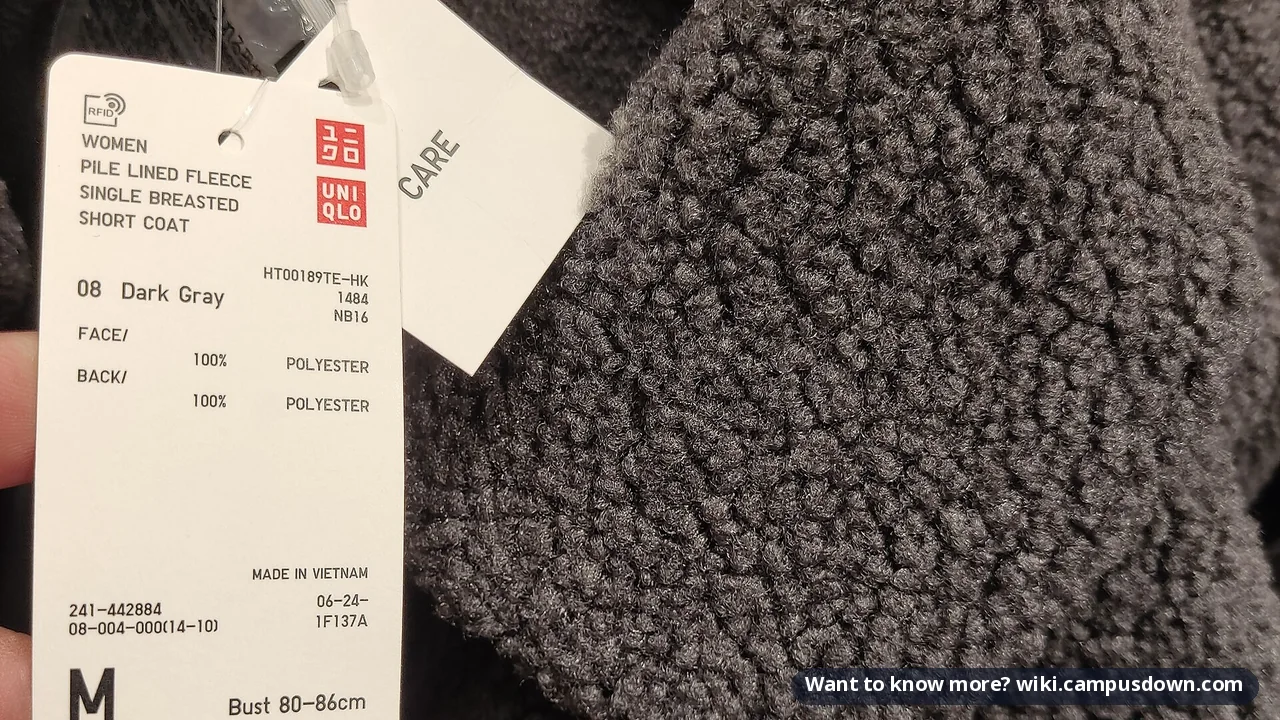
Go grocery shopping on a hungry evening and your basket overflows; pick a coat when you are cold and only the heaviest ones catch your eye. Your current state feels as if it speaks for tomorrow's needs too, but once you are full or the weather warms, those choices look excessive. Projection bias names this mismatch. It is the tendency to lay your current internal state too heavily over your future preferences and to underestimate how much that state will change. In the early 2000s, Loewenstein, O'Donoghue, Rabin and others formalized this pattern as a behavioral economics model. It is where the intuition that our tastes are fixed meets the observation that hunger, seasons and habits actually shift our preferences.
When your current state speaks for the future
Hunger, cold, pain, excitement, withdrawal and the early days of a new habit all push preferences to one side for a while. Even though that push is temporary, people readily assume their future self will want much the same as they do now. That is how purchases, promises and sign-ups arise that are tempting now and burdensome later. The core of projection bias is not the fact that preferences change, but underestimating in advance how much they will.
| Situation | What the current state does | What to fix in the design |
|---|---|---|
| Grocery shopping while hungry | Makes tomorrow's appetite seem like today's | Write a list in advance and delay extra additions made while hungry |
| Long-term contracts signed while excited or upbeat | Commits as if future energy will match today's | Build in a waiting period and leave an easy early exit |
| New information, prices or changes in relationships | Preferences shift for reasons outside one's state | Don't cover these with the single label of projection bias |

A different layer from present bias
Present bias is about plans unraveling because the discount between "now" and "tomorrow" is especially steep. Projection bias is less about the discount rate than about misjudging how different your future state will be from your current one. Putting off saving because you lack patience, and piling on more food because you are hungry and assume you'll crave it tomorrow too, can overlap, but they are not the same mechanism. If the remedy stops at commitment devices, designs that let you choose after your state has changed are easily left out.
Checks for not choosing before your state changes
- First note whether the choice rests on a temporary state such as hunger, cold, excitement or the early days of a habit
- Put in place at least one device, such as a list, a waiting period or an easy early cancellation, that lets you choose after your state has changed
- Don't lean on "I'll leave it to my future self"; write down concretely how your future state will differ from now
- Separate changes outside your state, such as new information or prices, from the projection of your internal state
Designs that move the moment of choice
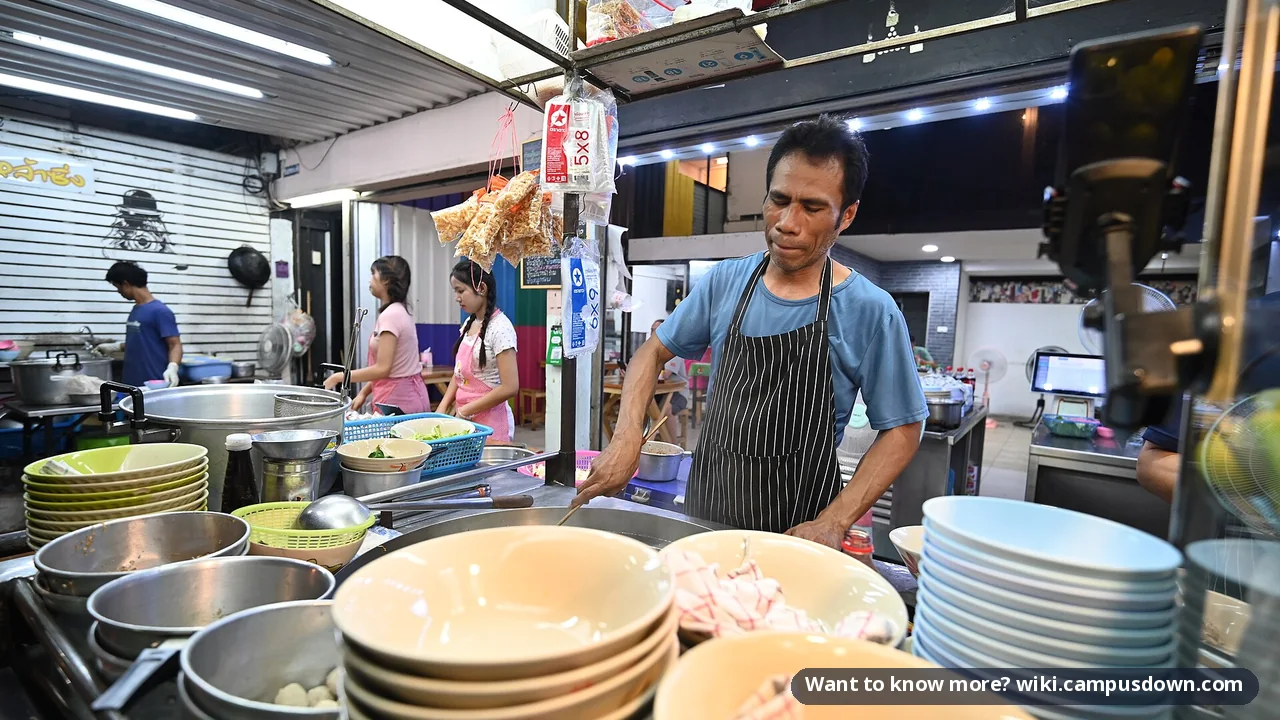
Practical responses include writing a shopping list in advance so you don't shop hungry, building in a waiting period so you don't sign a long-term contract on the spot while excited, and leaving easy cancellation terms in the early days of a new habit. Saying "I'll leave it to my future self" is not enough, because your future self is you in a different state, and you are handing things over while underestimating that difference. Arranging to choose after your state has changed works better than pushing your willpower.
Changes the model doesn't cover
Not every change in preference is projection bias. Reasons outside one's state, such as new information, prices, health and changes in relationships, also shift tastes. Some internal states also last longer than expected, and dismissing every urge as something that "will pass" is another misuse of the concept. Projection bias only points to the tendency to underestimate how much things change; it does not license deciding someone's future tastes for them.
Knowing about projection bias doesn't mean you should distrust your current tastes. But if those tastes rest on a temporary state, you can leave room to choose again after the state changes. Your future self is quite likely not to be in the same state you are in now.