
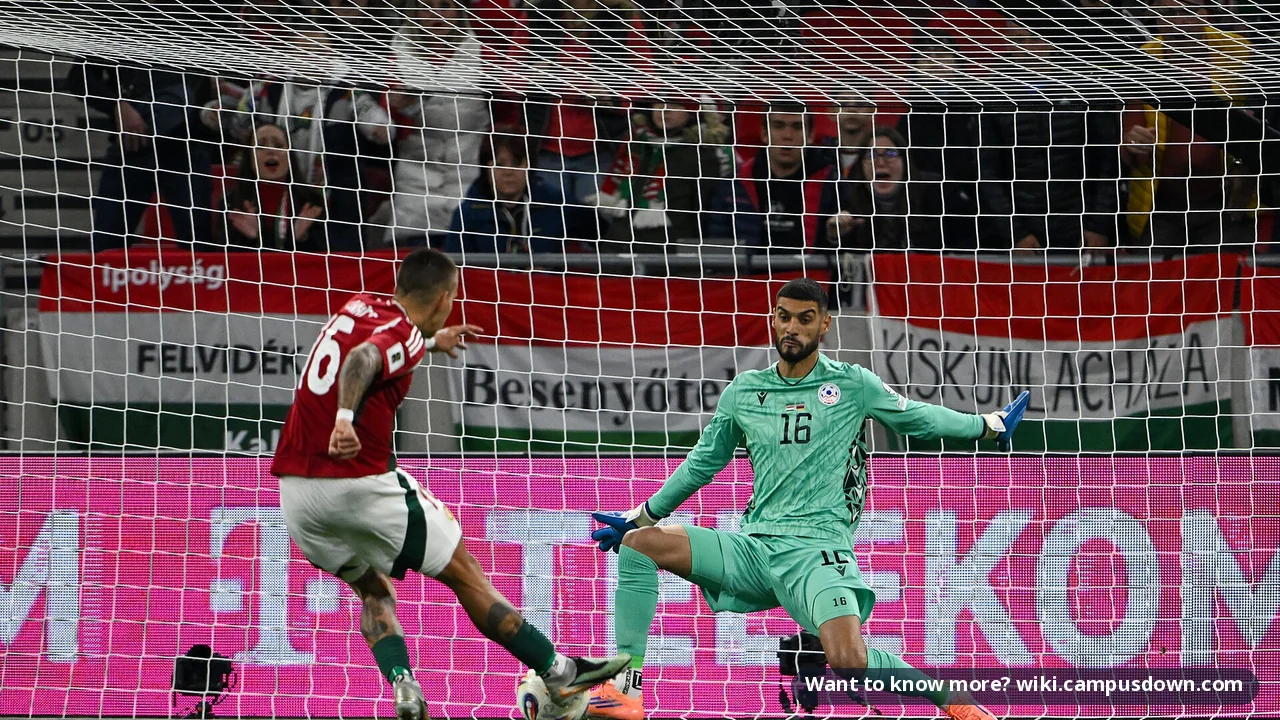
In a crisis or under evaluation, people often feel pressure to "do something." Even when the data suggest that staying put might be better, they tend to feel at ease only after they have acted. Action bias names this lean. Observations of goalkeepers facing penalty kicks around the 2000s showed the pattern clearly: even if staying in the center may be the better choice to some extent, conceding a goal without moving draws heavier blame. Extra medical procedures, frequent trading in markets and hasty measures after an accident share the same framework. This does not mean action itself is wrong; it means the responsibility for inaction looks heavier than the responsibility for action.
When not acting seems to carry more blame
Even for the same failure, failing after acting and failing after holding back are read differently in evaluations. The latter easily becomes the story of "could have, but didn't," while the former is defended as "at least they tried." With this asymmetry, action gets chosen even when the expected value lies with inaction. The core of action bias is less a taste for risk than the way the weight of responsibility seems to depend on whether one acted.
| Choice | Responsibility as read in evaluation | What to keep alongside it in the design |
|---|---|---|
| Action: doing something | Easily defended as "at least they tried" | Put the benefits and harms of intervening in the same table as inaction |
| Inaction: staying put | Easily seen as "could have, but didn't" | State explicitly on the scorecard that staying put is a choice |
| Cases where waiting really is costly | Rapid change, closing opportunities, a spreading incident | Don't discount it as action bias; write down the cost first |

The framework revealed by penalty kicks
A goalkeeper diving to one side is visible action. Staying in the center is easily read as visible inaction. Even though there is a real chance the ball will come down the middle, a scene where the keeper stands still and concedes more readily draws the charge of "doing nothing." This observation is not just about soccer. Wherever visible action serves as a shield against blame, the same framework reappears. Still, elevating one set of sports data into a law for every profession goes beyond its scope.
Checks for weighing action and inaction on the same scale
- Include a column on the scorecard that compares failures after acting and failures after holding back using the same criteria
- Record, with criteria stated in advance, that staying put can be a choice rather than laziness
- Place the benefits and harms of intervening side by side with the benefits and harms of waiting in one table
- Don't cite a single sports observation as if it were a law for every profession
Where it recurs in medicine, investing and crisis response
Extra tests and procedures offer the reassurance of "having done something," while waiting can look like neglect. In investing, frequent trading leaves evidence of intervention, while holding can read as incompetence. After an accident, visible measures are demanded right away, and taking time to investigate the cause easily looks like dragging one's feet. The practical question is not to stop acting, but to leave room on the scorecard for cases where inaction can be a choice rather than laziness.
Action that isn't this bias
In some situations, the cost of waiting really is high. Rapidly changing symptoms, opportunities about to close and a spreading incident call for action. Action bias is not a label that brands every intervention irrational. It is a warning about times when the responsibility for inaction looks excessively heavy and pushes people to act even though the expected value lies in staying put.
Knowing about action bias doesn't mean you should stop acting. But you can leave a column on the scorecard where staying put counts as a choice, so the responsibility for inaction doesn't look excessively heavy. Acting and staying put belong on the same scale.