
A caregiver holding an elderly person's hand in a sunlit hospital room shows first the weight of dependence that principled sentences alone can hardly reach. A scene of comforting a child at the kitchen table signals that this weight also lies outside institutions, within everyday relationships. Care ethics is a family of theories developed from the 1980s on by Gilligan, Noddings and others, and it places not only abstract principles but relationships, dependence and responsible care at the center of morality. Gilligan held that a picture measuring moral development by the voice of justice alone could drown out a different voice of responsibility, and Noddings read care not as a one-off feeling but as an ongoing practice. Dialogue with, and criticism from, the ethics of justice and deontology have come along with it. This article doesn't close the matter with a win for either side. Fixing care as the nature of one sex is a misuse, and so is turning it into a declaration that principles may be abandoned. Merge relational responsibility and the test of universality into one line, and both blur.
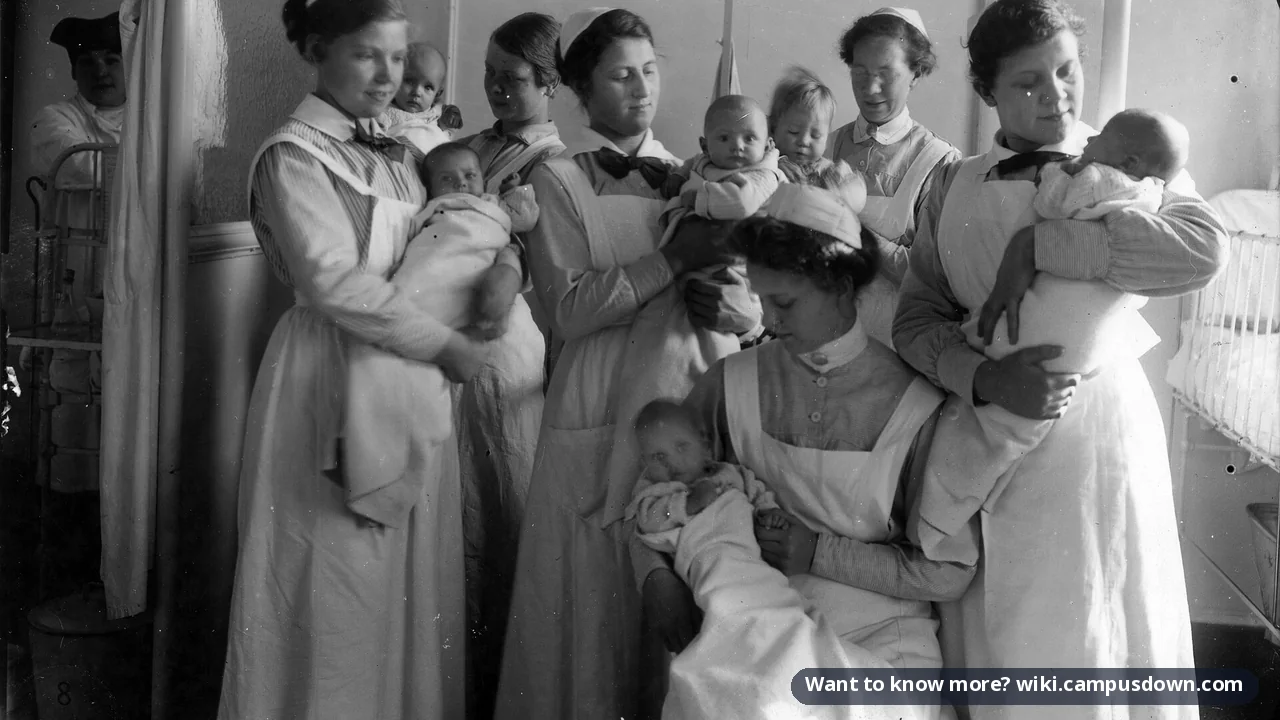
Where relationships and dependence are placed at the center of morality
The core of this family of theories is the claim that a picture of independent individuals applying principles hides the places where care is needed. The hand in the hospital room and the comforting in the kitchen are less choices than responses to a dependence that already exists. Noddings read care as a cycle of practice: paying attention, accepting the burden, responding and checking whether that response actually reached the other person. Feeling an emotion and taking on responsibility are not the same thing. The balance lies in noting separately the claim that relationships are central and the claim that only those close to us fall within the scope of what is right. Erase dependence at a distance, and care becomes a language of favoritism; erase the scenes close at hand, and principle becomes an empty sentence.
| Care situation | What tends to happen | What to note alongside it |
|---|---|---|
| Reading care as "principles aren't needed" | The test of universality easily hides beneath a language of favoritism | Separate relational responsibility from the test of principle |
| Merging it with the ethics of justice into one line, "men versus women" | The edge of dialogue easily turns into the edge of essentialism | Note separately the voice hidden by the measuring picture and declarations about nature |
| Speaking only of the hand in the hospital room and leaving out gaps in institutions | Care easily turns into a heartwarming story or a private burden | Keep scenes of dependence and institutional responsibility side by side |

Separating the ethics of justice, deontology and the warning against essentialism
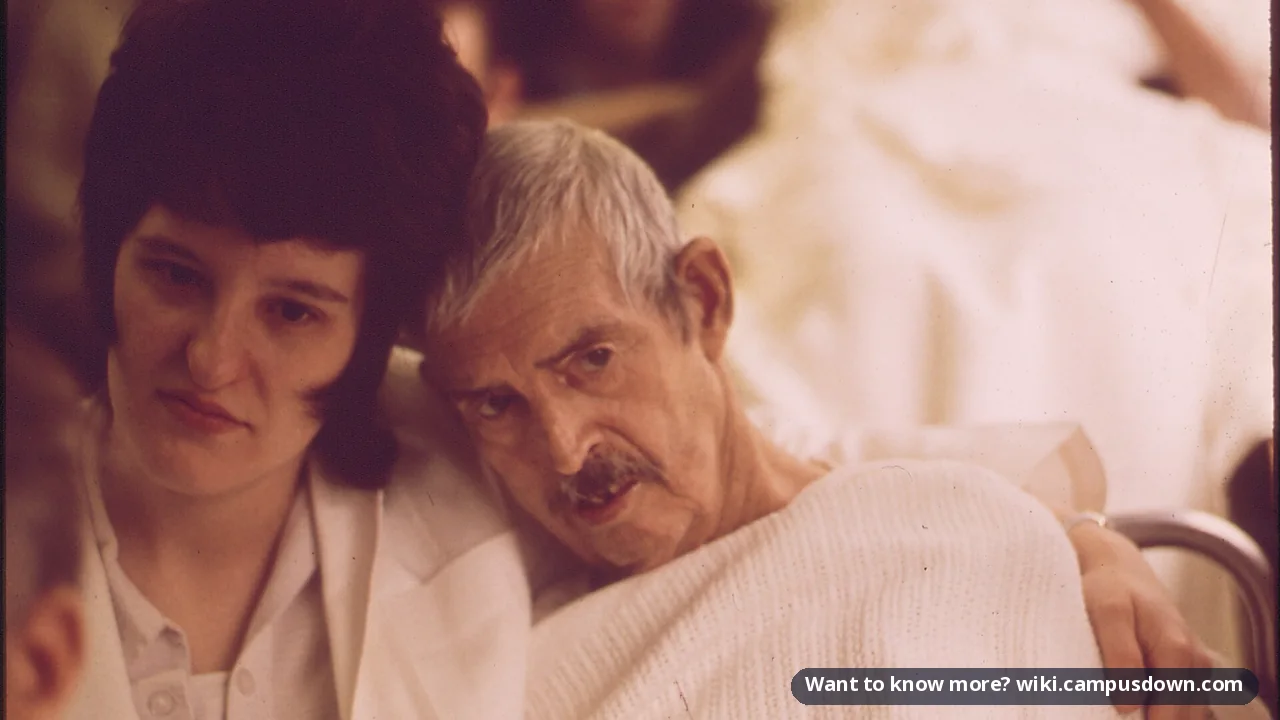
The ethics of justice and deontology put universal principles, fairness and the test of respect at the center. Care ethics says to stop when that test turns concrete dependence into an abstraction. Merge the two traditions into one line, "principle versus emotion" or "men versus women," and the edge of dialogue turns into the edge of essentialism. Gilligan's criticism is closer to pointing out that the measuring picture took one voice as its standard than to declaring that one sex is by nature more caring. The sentence "principles aren't needed" and the sentence "principles alone are not enough" don't say the same thing. The harm principle asks about the limits of public coercion, while this family of theories asks what one should take responsibility for within relationships that already exist. The balance lies in not merging the question of limits and the question of responsibility into one lump.
In practice: not turning the practice of care into favoritism or a stamp of nature
Using this family of theories in medicine, education, family policy and ethics classes means bringing into view whose dependence has been hidden. The practical balance is to keep three lines side by side: note concretely which relationships are in play; don't hide on whom the burden of care falls; and don't justify that imbalance by nature or favoritism. Speak only of the hand in the hospital room and leave out gaps in institutions, and it becomes a heartwarming story; speak only of principles and leave out the scene in the kitchen, and dependence is erased. The key is using the theory as a check on responsibility without raising it into the slogan "principles aren't needed" or "this is just nature."
Checks for using the responsibility of care without closing it with a slogan of nature or favoritism
- Note concretely which relationships are in play, and don't hide on whom the burden of care falls
- Don't mix the name up with the ethics of justice or deontology as "principle versus emotion" or "men versus women"; first note whether the issue is "whether concrete dependence is being hidden"
- Note separately the sentence "principles aren't needed" and the sentence "principles alone are not enough," and don't erase dependence at a distance through favoritism
- Use the theory as a check on responsibility, don't close it as a heartwarming story on the hand in the hospital room alone, and keep gaps in institutions and declarations about nature side by side without raising the latter into a slogan
Knowing care ethics doesn't mean principles may be abandoned or that care becomes the nature of one group. If you note relational responsibility, gaps in institutions and the test of universality in one line, you can keep the language of care from turning into favoritism or essentialism.