
A quick meal in a brightly lit restaurant, a run in the park at dawn and lights left on late into the night place the same body in very different environments. Evolutionary mismatch refers to this gap. Since the late 20th century, evolutionary medicine and evolutionary psychology have argued that traits that were on average advantageous in ancestral environments can become burdens in modern ones. Sugar and fat that were once scarce, limited opportunities for exercise and small-scale social comparison now sometimes come at the opposite density. This framework is not a prescription to return to the past as a healthy standard. It is closer to a starting point for noting where the environment a trait was shaped for diverges from the present one. However plausible the story of a gap may be, not every modern problem reduces to mismatch.

When the environment a trait was shaped for and today's diverge
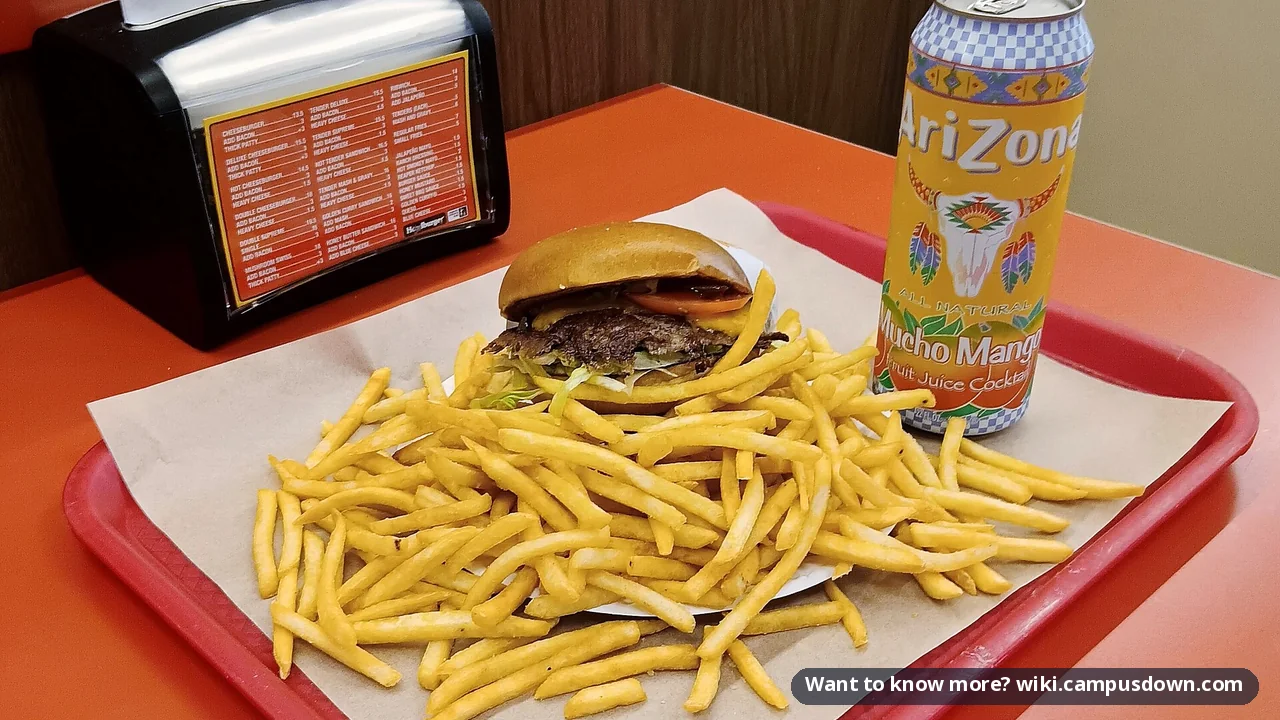
Traits are not formed in a vacuum. A preference for not passing up energy-dense sweets and fats could aid survival in an environment where they were scarce. The same preference makes it hard to set one's own upper limit on intake in an environment where they are available at any time. A body whose physical activity was built into daily life can also produce different results in an environment where more and more time is spent sitting. The core of mismatch is not that "modern life is bad," but that the conditions the design assumed have changed. To write an explanation, you need to set down three lines side by side: past conditions, present conditions, and how the trait operates between them. A line of nostalgia does not prove a gap.

Not mixing explanations with error management or present bias
Error management theory is closer to the idea that detection thresholds can tilt when the costs of two mistakes differ. Mismatch is closer to whether the environment those thresholds were tuned to has itself changed. Present bias is closer to a time preference that puts near rewards ahead of distant ones, while mismatch operates on a different level, asking what results that preference produces in a changed environment. Learned helplessness and the health belief model deal with experiences of control and appraisals of threat and coping; they do not frame environmental timescales as an evolutionary gap. Mixing the names attaches a one-line prescription: "live the old way." Keeping them apart lets you note separately whether what changed was the threshold or the environment.
| Part of the explanation | What makes the gap clearer when filled in | What keeps it from becoming nostalgia |
|---|---|---|
| Conditions assumed in ancestral environments | Becomes the background the trait was shaped for | State them as testable conditions, not nostalgia |
| Conditions shown by current data | Reveals where density has changed | Don't leave the middle column blank |
| Other causes such as pollution, inequality and access to care | Can cause harm even without a gap | Don't gather every burden under mismatch |
Separating nostalgia from prescriptions when describing the gap
In discussions of diet, sleep, exercise and screen time, mismatch easily becomes a slogan. The practical balance is to fill in three columns: the conditions assumed in ancestral environments, the conditions current data show, and the pathway by which that difference actually connects to harm. If the middle column is empty, the story tilts toward nostalgia. The remedy is not recreating the past, but closer to lowering the changed density (access to sugar, sitting time, light at night, the scale of comparison) through a single line of environmental design. Blaming only individual willpower erases the density of the environment. Conversely, calling all modern technology mismatch lumps in changes that reduced harm, such as vaccines and sanitation.
Checks for not mixing mismatch with nostalgia or one-line prescriptions
- Write three lines side by side: past conditions, present conditions, and the pathway by which the difference leads to harm
- Frame the remedy not as recreating the past, but as lowering changed densities such as access to sugar, sitting time, light at night and the scale of comparison
- Don't mix the name up with error management theory or present bias; first note whether the issue is that the environment a trait was shaped for has changed
- Don't put causes that aren't a gap, such as pollution, inequality and access to care, in the mismatch basket
Other modern causes this framework doesn't cover
Some causes of harm, such as pollution, inequality and differences in access to care, operate even without a gap from ancestral environments. Calling every burden mismatch is a misuse of the concept. The framework asks whether the conditions a trait was shaped for have changed; it is not a way to gather every modern harm under the name of a single cause.
Knowing about evolutionary mismatch doesn't mean we should go back to the past. Writing down in three lines the conditions a trait was shaped for and today's conditions helps keep explanations from sliding into either nostalgia or one-line prescriptions.