
A hand quickly flipping flashcards in a library and a hand rewriting the same page in its own words may spend the same time, but they process information at different depths. Levels of processing theory is a framework proposed in 1972 by Fergus Craik and Robert Lockhart, which reads memory not so much as moving information from a short-term box to a long-term box but as a matter of how deeply that information was processed. The core contrast is that processing that handles only the shape or sound of letters is shallow, while processing that connects meaning, context and what you already know is deeper. The theory is not an order to erase the stages of storage boxes entirely. Constraints of capacity and time remain, and the cues used to retrieve information later also affect the outcome. Later research supplemented it, arguing that the fit between depth of processing and retrieval conditions, and the types of elaboration, should be broken down further. Stamping the number of repetitions as a seal of depth is a misuse of the concept.
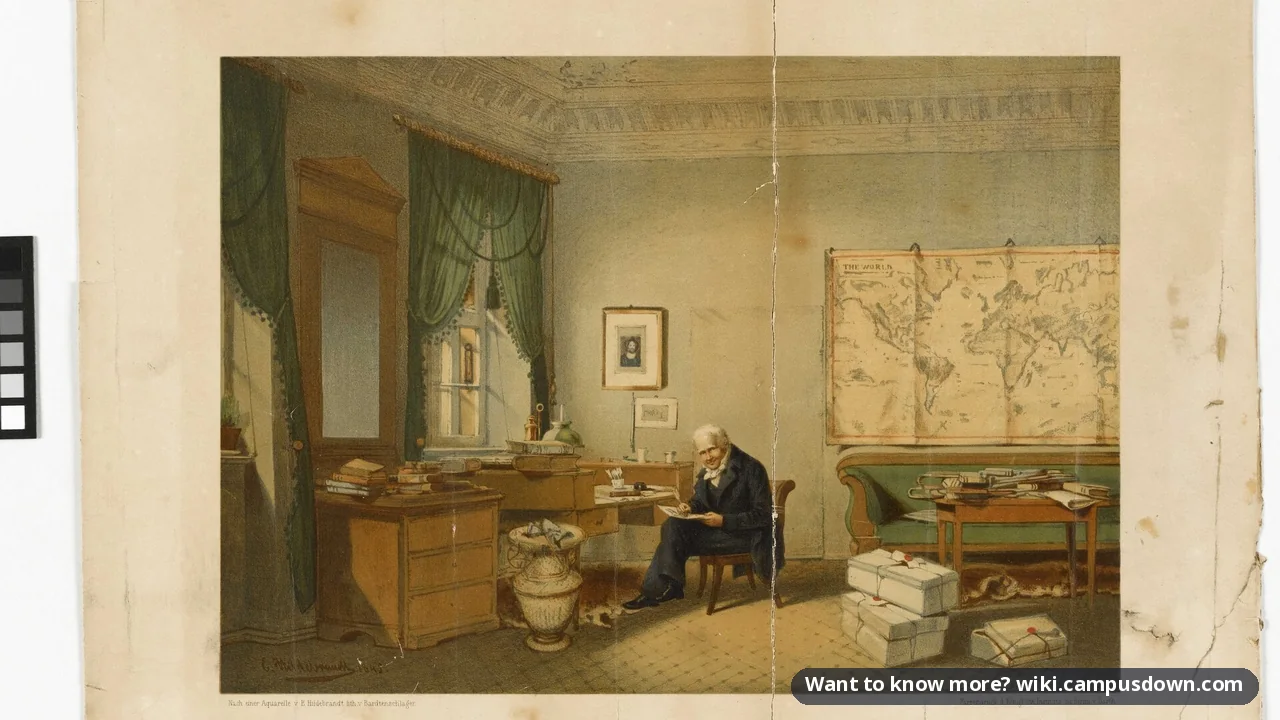
Where a shallow touch and deep connections divide memory
Shallow processing is close to dealing with surface features such as typeface, capitalization and rhyme. Deep processing is close to explaining meaning, making examples and attaching information to stories you already know. Craik and Lockhart held that how well something comes to mind later moves together with this difference in depth. Even if you look at the same list many times, depth may barely advance if you check only the sound each time. Conversely, putting it into your own words even once can leave a longer-lasting trace. Depth is not the same as time spent on effort. Memorizing with great effort can still be shallow if you touch only the surface, and brief processing can be deep if meaning is connected. The balance lies in setting the type of processing and the cues for later retrieval side by side.

Separating the layers of the question from storage boxes and embodied cognition
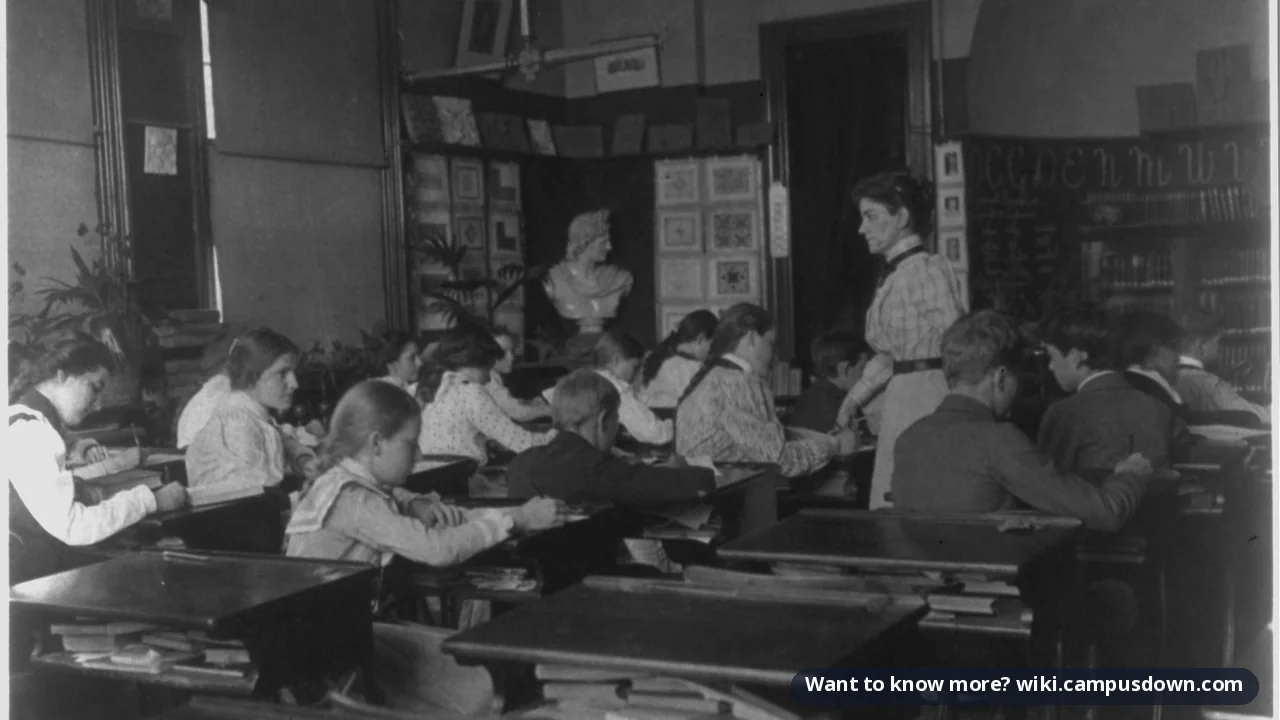
The multi-store model divides places of storage into sensory memory, short-term memory and long-term memory. Levels of processing theory does not so much erase those places as hold that, even in the same place, the depth of processing determines the trace. Merge the two names into the single line "here's how to remember better," and the layer of structure and the layer of processing are erased. Keeping them apart lets you record limits of capacity and quality of depth separately. Embodied cognition holds that thinking takes place in the coupling of body and environment, while this theory looks at how far information is connected into meaning. Mix up the names, and the involvement of the body and depth of processing blur together. The phenomenon that retrieval opens up more easily when it meets cues similar to those present during learning also becomes thinly explained if reduced to a story about depth alone. The balance lies in setting the quality of processing and its fit with retrieval conditions side by side.
| Processing situation | What tends to happen | What to note alongside it |
|---|---|---|
| Stamping the number of repetitions as proof of depth | A touch that handles only the surface is easily hidden | Note concretely whether the meaning was put into one's own words |
| Talking only about the stages of storage boxes and leaving out the quality of processing | How depth determines the trace even in the same place is easily hidden | Set limits of capacity and depth of processing side by side |
| Talking only about depth and leaving out retrieval cues | The test format easily mismatches the learning situation | Note the quality of processing and its fit with retrieval conditions together |
In practice: not stamping the number of repetitions as a seal of depth
Using this theory in study plans, exam preparation and classroom review means opening up how information was processed. The practical balance is to keep three lines side by side: note concretely whether only surface features were handled or the meaning was put into one's own words; note as well what cues will be used for later retrieval; and don't turn the number of repetitions into proof of depth. Only flip cards quickly and leave out meaning, and a shallow touch remains; only add your own words and leave out retrieval practice, and the path for getting information back out is left empty. A notebook with the same page rewritten can be one scene of deep processing, but that scene alone does not guarantee the cues of the test. The key is using the quality of processing as a diagnosis of learning without raising it into an all-purpose memorization secret.
Checks for using depth of processing without reading repetition as an all-purpose secret
- Note concretely whether only surface features were handled or the meaning was put into one's own words, and note as well what cues will be used for later retrieval
- Don't mix the name up with the multi-store model or embodied cognition; first note whether the issue is whether depth of processing determines the trace
- Don't turn the number of repetitions into proof of depth; separate time spent memorizing with effort from the quality of meaningful connections
- Don't trust only a notebook rewritten in your own words and leave out retrieval practice, and don't raise the quality of processing into an all-purpose memorization secret
Knowing levels of processing theory doesn't mean you have to stop repeating. If you note the depth of putting meaning into your own words and the cues for retrieval in one line, you can keep the number of flipped cards from turning into a seal of memory.