
Front pages that run the same event under different headlines show, first of all, that even when the list of facts is the same, the frame shapes the interpretation. A screen on which a video editor is choosing a thumbnail signals that such a frame can open up even in a single image. Media framing theory is an explanation formulated between the 1970s and the 1990s, drawing on Goffman's idea of frames and on research by Entman, Iyengar and others. It holds that the same event can lead to different interpretations, emotions and policy preferences depending on the frame in which it is presented. Agenda-setting asks what gets placed on the public's radar; framing theory asks how what has been placed there is cut and shown. Mean world syndrome looks at whether long-term cultivation shifts the perception of danger, and the hypodermic needle theory refers to an early model of immediate injection. This article does not treat the existence of frames as a triumph of manipulation. Read the differences between front pages as proof that "the press is all lies," and the choice of frame and the set of facts both blur at once.
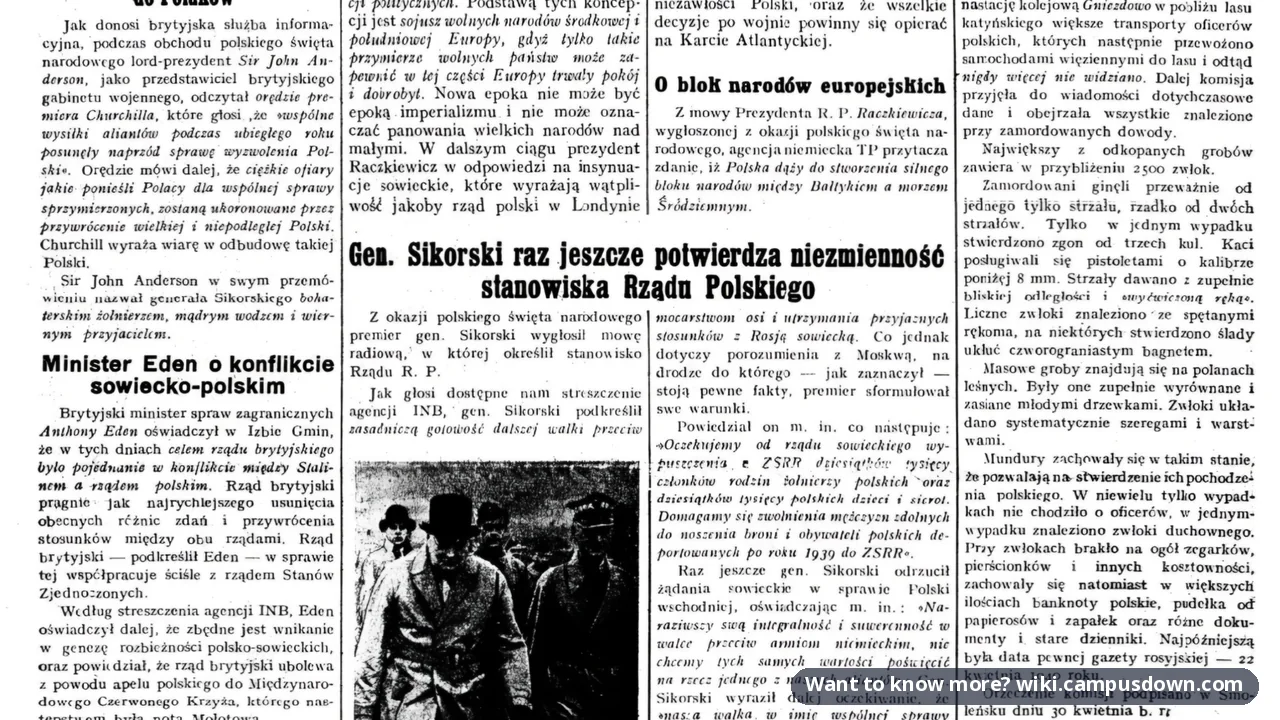
How frames shape interpretation of the same set of facts
Goffman's notion of frames refers to the boundaries within which people recognize what a scene is, and Entman described how media selectively highlight a problem's definition, causes, moral evaluation and remedies. Research by Iyengar and others showed that when the same issue is presented in an episodic frame rather than a thematic one, responsibility can be split differently between individuals and institutions. Headlines and thumbnails are small doorways for that choice. A balanced account keeps apart the claim that there is a frame and the claim that the facts have disappeared. Bringing a frame into view is not only about exposing manipulation; it is closer to checking the path that interpretation takes.

Separating agenda-setting, cultivation and the hypodermic needle
Agenda-setting holds that by deciding what to present as important, the media reach "what people think about." Framing comes closer to the next step: for the events that have been raised, the frame shapes the path of "how to think about them." Cultivation theory asks whether long exposure shifts the underlying picture of the world, and the hypodermic needle theory refers to an early model in which messages produce effects immediately. Merge the four names into the single line "the media manipulate people," and the questions of what gets raised, how it is cut, how long it colors perception and whether it is an immediate injection all blur at once. A balanced account keeps the units of each question separate.
| Reading | What tends to happen | What to note alongside it |
|---|---|---|
| Reading a frame straight away as proof of lies | The set of facts easily hides beneath the language of manipulation | Note the choice of frame and the list of facts separately |
| Merging it with agenda-setting, cultivation and the hypodermic needle into "manipulation" | What, how, how long and whether it is immediate easily blur together | Note the unit of each question separately |
| Closing a conspiracy poster on front-page differences alone | The path of interpretation easily turns into total denial | Set the frame of the headline and the set of facts side by side |
In practice: not turning a check on frames into total denial or a slogan of manipulation
In journalism classes, comparisons of coverage and editorial meetings, using this theory means showing what a frame brings to the fore and what it pushes into the background. In practice, balance means keeping three things side by side: noting what the shared set of facts is; noting where a given frame directs causes and responsibility; and not labeling that frame straight away as proof of lies. Talk only about the front page and leave out the list of facts, and it becomes a conspiracy poster; talk only about the facts and leave out the frame, and the path of interpretation is erased. The key is to use the theory as a check on how stories are cut without raising it into the slogan "a frame is a lie."
Checklist for using a check on frames without closing it into total denial or a slogan of manipulation
- Note what the shared set of facts is, and note separately where a given frame directs causes and responsibility
- Do not blend it with agenda-setting, cultivation and the hypodermic needle into "the media manipulate"; note separately what gets raised and how it is cut
- Do not label front-page differences "the press is all lies"; set the frame of the headline and the list of facts side by side
- Use the theory as a check on how stories are cut; do not raise it into the slogan "a frame is a lie," and note where episodic and thematic frames send responsibility
Knowing media framing theory does not mean all reporting is false or that a frame is manipulation. Writing the set of facts, the choice of frame and the direction of responsibility on a single line makes it less likely that the theory turns into a slogan of total denial.