

What is codependency?
Codependency describes a pattern in which someone becomes preoccupied with taking care of, fixing or controlling another person, often a partner or relative with an addiction or emotional problem, at the expense of their own feelings, needs and limits. Put simply: "I’m only okay if you’re okay."
- Origins
- 1970s–80s alcoholism treatment (families were first called "co-alcoholics")
- Key books
- Cermak (1986); Beattie, Codependent No More (1986)
- Core features
- Over-responsibility, controlling, self-neglect, difficulty saying no
- Note
- Not a diagnosis in the DSM-5
Where the idea came from
As alcoholism treatment developed, clinicians noticed that spouses and families also organized their lives around the drinking and suffered in parallel ways. They were first called co-alcoholics; as the idea spread to drugs, gambling and other problems, the term became codependency. Psychiatrist Timmen Cermak (1986) proposed diagnostic criteria, and Melody Beattie’s bestseller brought the concept to the general public. See the neuropsychology of addiction for how addiction changes the brain.
Common signs
| Sign | What it looks like |
|---|---|
| Over-responsibility | Feeling you must fix the other person’s moods, job or debts |
| Control | Constantly checking their drinking, phone or schedule |
| Self-neglect | Not knowing what you want; putting your own health last |
| Difficulty saying no | Fearing the relationship will end if you refuse |
| Need to be needed | Feeling worthwhile only when indispensable |
| Denial | Minimizing: "It’s not that bad; work has been stressful" |
Codependency and enabling
Acts of love can prolong the problem. Calling in sick for a hungover partner or secretly paying off gambling debts may avert today’s crisis, but it also removes the consequences that might push change.
These behaviors are called enabling. People with codependent patterns are especially prone to them. Family systems theory explains how a whole family can reorganize around one member’s problem (family systems theory).
A quick self-check
Many "yes" answers suggest the pattern is worth exploring (this is not a diagnostic tool).
- Do you often put your own routines and health on hold because of their problems?
- Have you hidden their behavior or made excuses for them?
- Do you track their mood before noticing your own?
- Is saying "no" extremely hard for you?
- When they are not okay, can you not function?
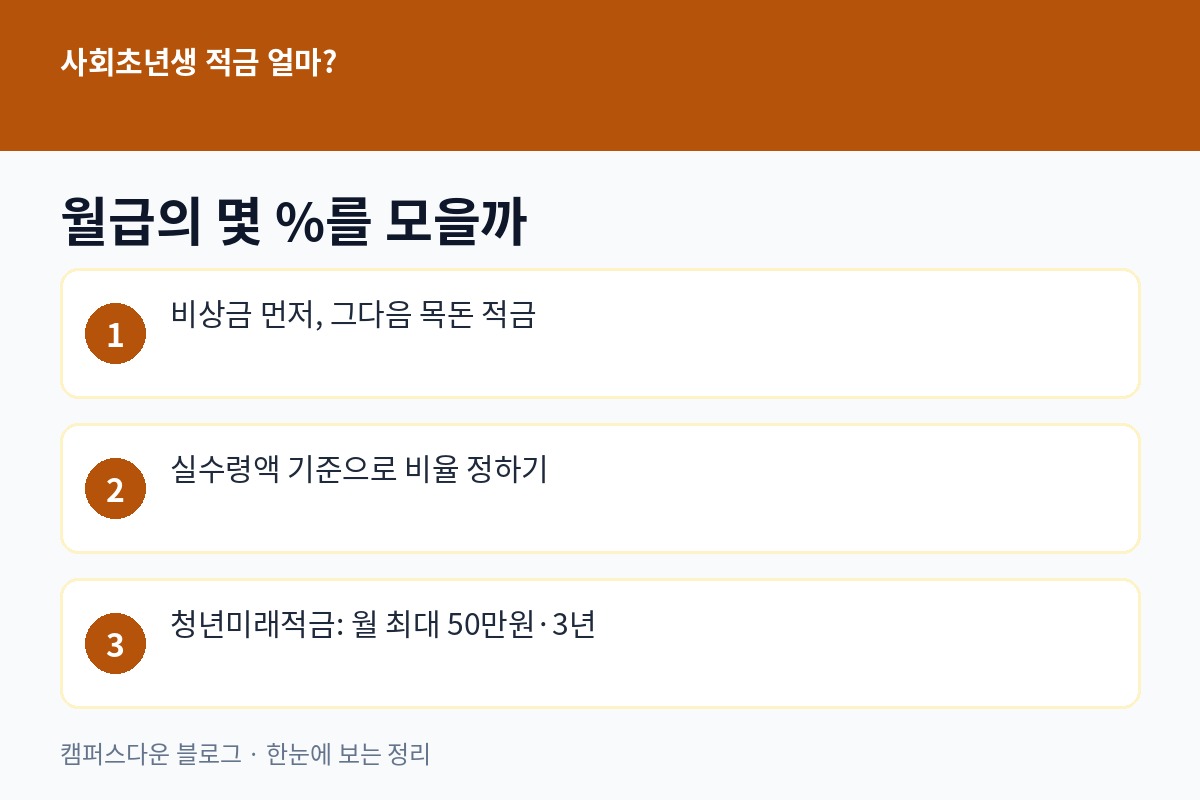 Cash Note
사회초년생 적금 얼마? 월급별 비율 예시와 청년미래적금 2026
24 readers so far
Make Korean friends & friends from around the world learning Korean
Chat easily with people from many countries who love Korea.
 Beauty UP
대학생 가성비 기초 루틴 — 꼭 필요한 3단계만 남기기
297 readers so far
 Psych UP
카톡 온도차 테스트|답장은 차가운데 마음은 뜨거울 수도
6 people have taken it so far
Criticism and research
Codependency has no single agreed definition and is not an official diagnosis. Critics argue it can pathologize caregiving, a role disproportionately carried by women. Researchers have worked to measure it more carefully: Marks and colleagues (2012) developed the 19-item Composite Codependency Scale with three factors, self-sacrifice, interpersonal control and emotional suppression, and Bacon and colleagues (2020) found that self-identified codependents described a lack of clear sense of self, extreme emotional and relational imbalance, and roots they traced to parental control and abandonment in childhood.
Paths to recovery
- Separate the person from the problem. Loving someone is different from carrying their problem for them.
- Stop enabling, one behavior at a time. Let them face the consequences of their choices.
- Find peer support. Al-Anon and Alateen serve families of people who drink; Nar-Anon and Gam-Anon serve families affected by drugs and gambling. SAMHSA’s National Helpline (1-800-662-4357) can help locate treatment and family services.
- Rebuild your own life. Sleep, exercise, friendships and interests matter. If old roles from childhood keep repeating, exploring your family of origin in therapy can help.
Frequently asked questions
- What does codependency mean in simple terms?
- It is a way of relating in which you are so focused on caring for and fixing someone else that you lose track of your own feelings and needs.
- Is codependency a mental health diagnosis?
- No. It is not in the DSM-5; it is a concept used mainly in addiction and family counseling.
- How do you stop being codependent?
- Reduce enabling behaviors, set clear boundaries, get support from groups such as Al-Anon or a counselor, and practice attending to your own needs.
References
- Cermak, T. L. (1986). Diagnosing and Treating Co-Dependence: A Guide for Professionals Who Work with Chemical Dependents, Their Spouses, and Children. Minneapolis: Johnson Institute Books.
- Beattie, M. (1986). Codependent No More: How to Stop Controlling Others and Start Caring for Yourself. Center City, MN: Hazelden.
- Marks, A. D. G., Blore, R. L., Hine, D. W., & Dear, G. E. (2012). Development and validation of a revised measure of codependency. Australian Journal of Psychology, 64(3), 119–127.
- Bacon, I., McKay, E., Reynolds, F., & McIntyre, A. (2020). The lived experience of codependency: An interpretative phenomenological analysis. International Journal of Mental Health and Addiction, 18, 754–771.