
The dam a beaver builds by blocking a stream is often cited as an example of how gene effects can continue outside the beaver's body. The extended phenotype is a concept Richard Dawkins systematized in his 1982 book of the same name. It proposes not keeping the phenotype inside skin and bone, but widening it to structures outside the body and the behavior of other individuals, such as nests, spider webs and parasites that change their hosts' behavior. This widening pushes the gene-centered view further. However, reading human language, cities and laws all as the strategy of some gene is a leap this concept can hardly carry. If dual inheritance theory sets aside a separate pathway for transmitting culture, this framework centers on where gene effects reach beyond the boundary of the body. If the extended mind thesis reads laptops and maps as part of cognitive processes, this concept speaks not to cognition but to the reach of gene effects. Declaring every artifact an extension of genes is a misuse.
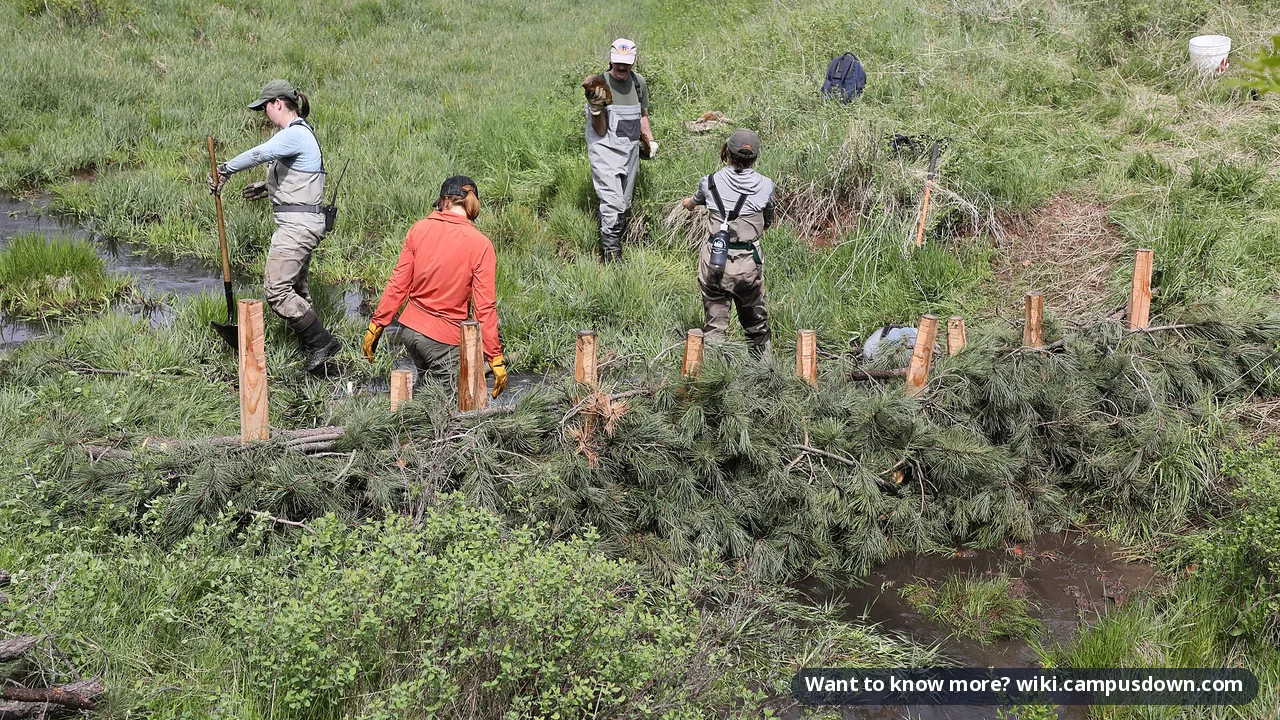
Where effects reach beyond the boundary of the body
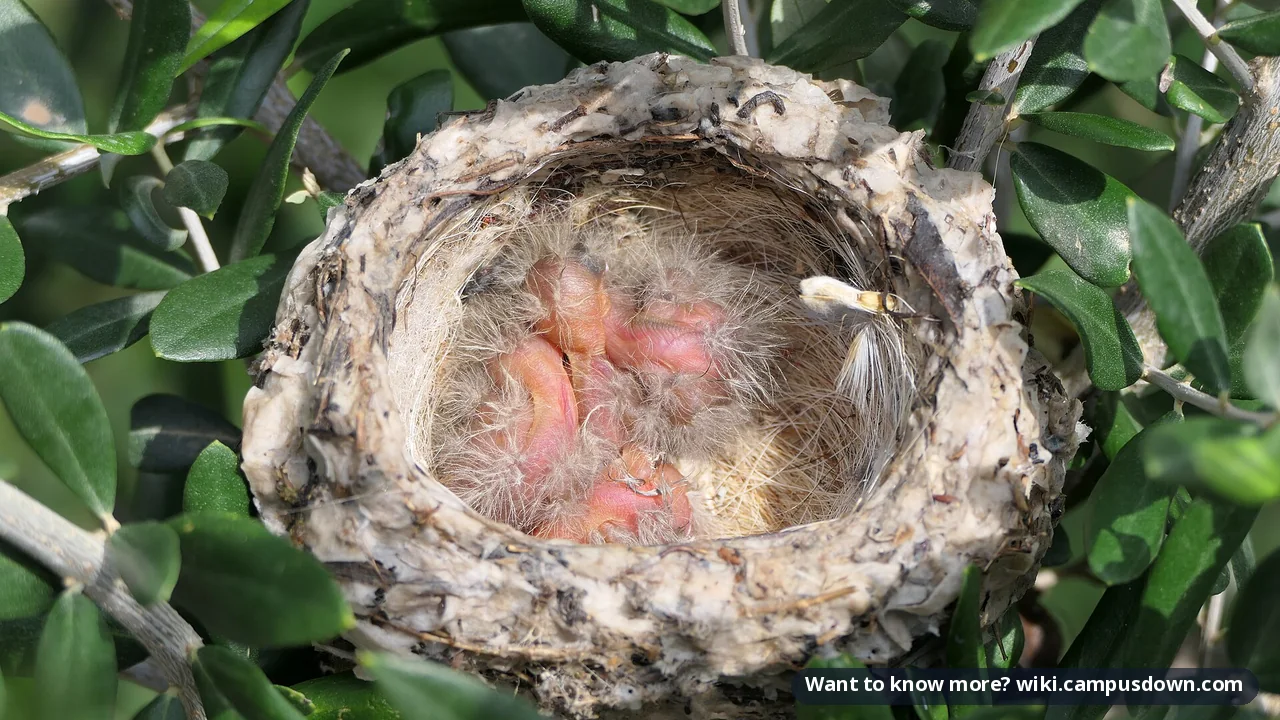
The classic phenotype is closer to traits inside the body, such as eye color or bone length. The extended phenotype pushes that definition out to results outside the body. When a dam changes the flow of water, the habitat changes, and that change becomes part of the environment in which genes are selected. When a parasite changes its host's behavior, even the host's movements can be read as an effect of the parasite's genes. This reading offers a powerful perspective. At the same time, push causation too far, and every outcome in the world starts to look like the phenotype of some gene. That is why it matters to describe the pathway of the effect concretely. Leave out who is involved, through what pathway and in connection with what selection, and the concept shrinks to a metaphor.

Separating the layers from the extended mind and dual inheritance
The extended mind thesis holds that tools and records can become part of cognitive processes. The extended phenotype speaks not to cognition but to how far gene effects reach outside the body. Dual inheritance theory holds that culture has a transmission pathway distinct from genes, and this framework draws a line against reducing that culture directly to the phenotype of genes. Costly signaling theory speaks to the cost of displays; this concept can ask which gene effect a display is the site of, but that is not the same question. Mix up the names, and the line "everything in the world is genes" gets attached. Keeping them apart leads you to record the reach of effects, the boundaries of cognition and the pathways of culture separately.
| Situation | What tends to happen | What to note alongside it |
|---|---|---|
| Cases with clear pathways, such as dams, nests and host behavior | The picture of effects outside the body easily opens | Describe the links between causation and selection concretely |
| Declaring cities and institutions directly to be a gene's strategy | The pathways of culture are easily erased | Separate the layers from the transmission pathways of dual inheritance |
| Reading a laptop as an extended phenotype | The boundaries of cognition and gene effects are easily mixed up | Record it under a separate name from the extended mind |
In practice: describing pathways concretely instead of closing with a metaphor
Using this concept in biology education and evolutionary debate means opening up examples outside the body without pushing every outcome in the world into those examples. The practical balance is to keep three lines side by side: start with cases whose pathways are relatively clear, such as dams, nests and host behavior; ask concretely about the links between causation and selection; and don't declare cities and institutions directly to be a gene's strategy. When the metaphor is strong but the pathway is missing, the concept becomes a master key for explaining the world. Conversely, acknowledge only traits inside the body, and the question this concept opened is closed.
Checks for opening the reach of effects outside the body without closing with the genetization of everything
- Start with cases whose pathways are relatively clear, such as dams, nests and host behavior, and ask concretely about the links between causation and selection
- Don't mix the name up with the extended mind thesis or dual inheritance theory; first note whether the issue is how far gene effects reach outside the body
- Don't declare cities, laws and fashions directly to be a gene's strategy, and don't erase the transmission pathways of culture
- Don't let the metaphor stay strong while the pathway goes missing, and don't close this question by acknowledging only traits inside the body
The genetization of everything, which this reach is not
Asserting that a city's laws and fashions are the phenotype of some gene is a misuse of this concept. The name only points to the possibility that effects reach outside the body; it does not erase the pathways of culture in the name of genes.
Knowing the extended phenotype doesn't mean you have to read every structure in the world as an extension of genes. If you note the pathway of the effect and the box for culture in one line, you can keep the question about what lies outside the body from turning into an all-purpose metaphor.