
A stopped clock on a wall that happens to show the right time is a first reminder that a correct answer may not be connected to good reasons. A facade that looks like a barn by a country road signals that when the same shape is repeated falsely many times over, a single true belief cannot settle the question of knowledge. The Gettier problem is a puzzle opened in 1963 by Edmund Gettier's short paper: a set of counterexamples that make it hard to call justified true belief alone knowledge. The standard analysis gave knowledge three conditions: truth, belief and justification. Gettier showed that even when all three are present, there are cases in which luck creeps in and it becomes hard to call the result knowledge. Later stories such as the stopped clock and the fake barns made the difficulty even sharper. This article does not declare the death of knowledge. A counterexample is a test that forces the conditions to be reworked, not the slogan "nobody knows anything." Merge true-by-luck and knowledge into one line, and the quality of reasons and their connection to the truth both blur at once.
When luck creeps in even with all three conditions met
The appeal of the standard analysis lies in its simplicity: if something is true, you believe it and you have good reason to, you can be said to know it. Gettier's counterexamples show that even when those three points come together, the reasons and the truth may not be connected along the right path. Someone who looks at a stopped clock and believes it is two o'clock has reason to trust the clock, and it really is two o'clock; yet if the match between the stopped hands and the present time is luck, it is hard to say that person knows. The reason holds and the truth holds, but the link between them is weak. A balanced account keeps apart the claim that the three conditions fall short and the claim that the conditions themselves are meaningless.

Separating barn facades from the debate over additional conditions
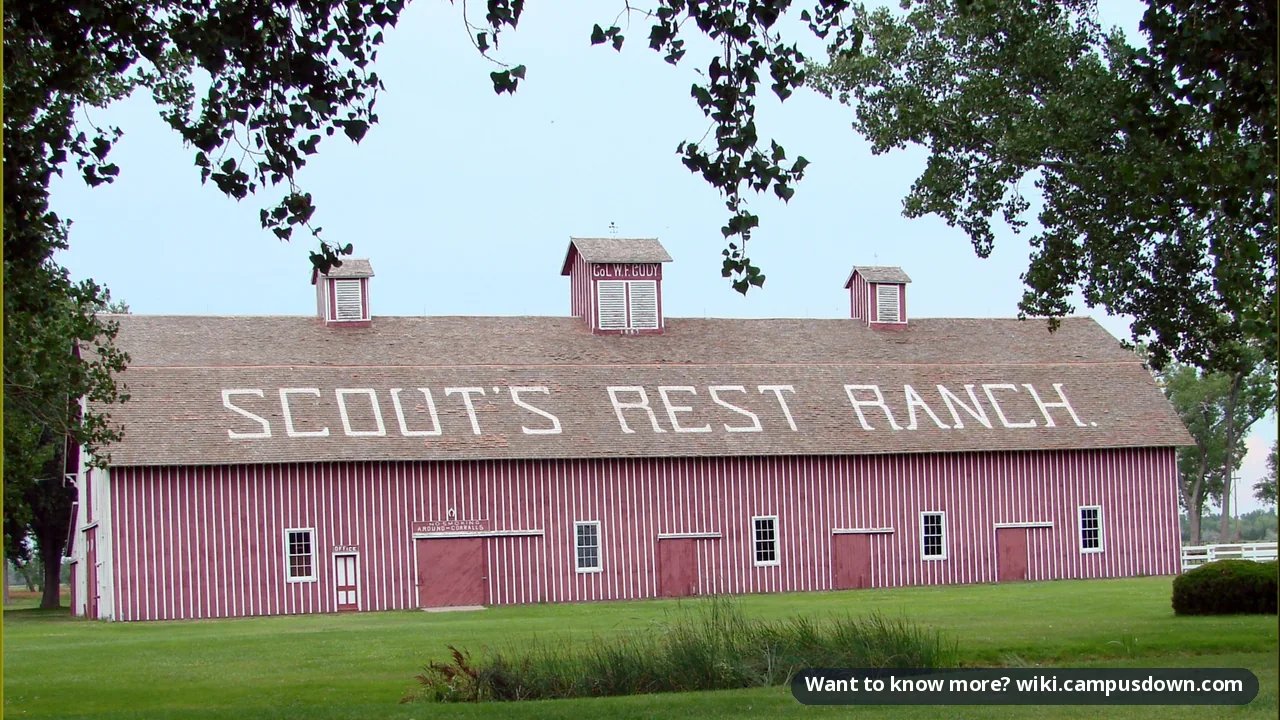
Suppose there are many barn-like facades along a road and only one is a real barn. Someone who sees that one from a distance and believes "that is a barn" has truth and a reason, yet the deception in the environment remains. This story is often used in the discussion that followed Gettier's paper, and it shows how vulnerable justification is to local luck. Later responses added further conditions, such as a causal connection, a reliable process or the exclusion of luck. Adding conditions does not mean the list is complete. A balanced account keeps apart the claim that counterexamples unsettle the conditions and the claim that the concept of knowledge has collapsed. Standpoint theory asks about the social place of knowledge; this problem asks how vulnerable the conditions of an individual belief are to luck. A balanced account does not merge the two questions into one line.
| Reading | What tends to happen | What to note alongside it |
|---|---|---|
| Reading counterexamples as "there is no knowledge" | The quality of reasons and their connection to the truth easily hide beneath the language of nihilism | Note separately that the three conditions fall short and whether the concept has collapsed |
| Treating the stopped clock as nothing more than a story with a twist | The link between reasons and truth easily hides beneath the oddity of the scene | Note both that the reason holds and that the connection is luck |
| Stamping the additional conditions as a completed list | Causation, process and the exclusion of luck easily turn into a declaration that the matter is closed | Set the additional conditions side by side with the fact that the list is still open |
In practice: not turning counterexamples into the death of knowledge
In epistemology classes, in evaluating evidence and in public claims, using this puzzle means showing whether the link between reasons and truth is a matter of luck. In practice, balance means keeping three things side by side: noting whether the belief is true; noting what the reasons are; and noting separately whether the two are connected along the right path. Talk only about the stopped clock and leave out the reasons, and the story becomes a twist-ending tale; talk only about the three conditions and leave out luck, and the standard analysis's miss comes back. The key is to use the theory as a check on the connection without raising it into the slogan "there is no knowledge."
Checklist for using Gettier counterexamples without closing them into the death of knowledge
- Note separately whether the belief is true, what the reasons are and whether the two are connected along the right path
- Do not blend counterexamples into "there is no knowledge"; note separately that the three conditions fall short and whether the concept has collapsed
- Do not treat the stopped clock or the barn facades as nothing more than a twist; note both that the reason holds and that the connection is luck
- Do not stamp the additional conditions as a completed list, and do not merge standpoint theory's question about the social place of knowledge with this problem's question about luck
Knowing the Gettier problem does not mean there is no knowledge or that the list of conditions is complete. Writing truth, reasons and whether their link is luck on a single line makes it less likely that counterexamples turn into the death of knowledge.