
Can you remember something vividly, feel completely sure of it, and still be wrong? Psychologists say yes. A false memory is a recollection of an event that never happened, or a version of a real event that has been changed by later information. The research behind this idea was largely built in the United States, and it changed how American courts treat eyewitnesses.
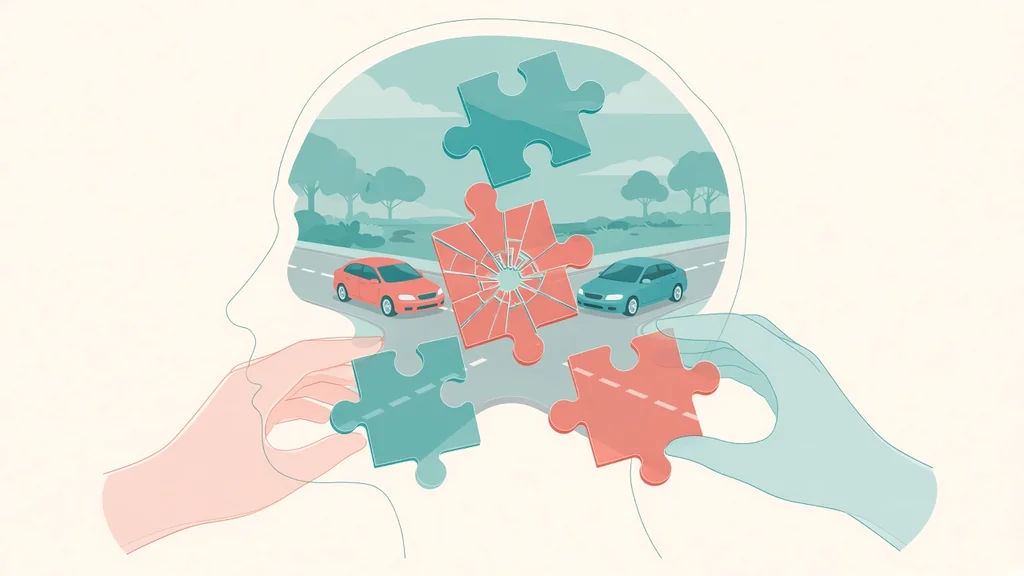
Definition
Memory does not work like a video recording. Each time we recall an event, we rebuild it from fragments, and new information can slip into the rebuilt version. A false memory can be a small distortion, such as remembering a red car as blue, or a whole event that never took place. People who hold false memories are usually not lying. They sincerely believe what they recall.
Key idea
False memories are not the same as forgetting. Instead of losing information, the mind adds or changes it, and the result can feel just as real as a true memory.

The misinformation effect
In 1974, Elizabeth Loftus and John Palmer at the University of Washington showed participants films of car accidents and then asked how fast the cars were going. The verb in the question changed the answers. People who heard "smashed" gave higher speed estimates than those who heard "hit" or "collided," and in a follow-up, more of them later reported seeing broken glass that was not in the film. This became known as the misinformation effect.
Implanting whole events
Loftus later asked whether an entire event could be planted. In the "lost in the mall" study with Jacqueline Pickrell, participants read short stories about their childhood written with help from relatives. One story, about getting lost in a shopping mall, was invented. About a quarter of the 24 participants came to remember the false event in some form. Loftus called the study an existence proof that false memories of whole events can be created.
US cases
- When and where
- 1974, University of Washington, Seattle
- What happened
- Participants' speed estimates changed with the verb used in the question, and the word "smashed" led more people to recall broken glass that was never shown.
- Why it matters
- The study became a standard example in American psychology courses and in expert testimony about eyewitness reliability.
- When and where
- 1984–1995, Burlington, North Carolina
- What happened
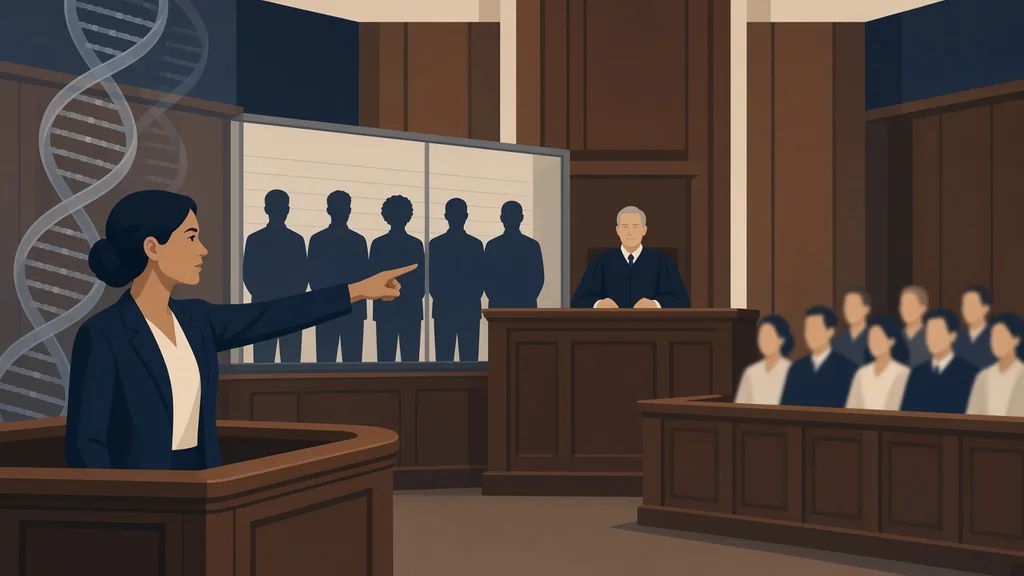
- Thompson identified Ronald Cotton as the man who raped her in July 1984, and he was convicted. In 1995 DNA testing showed Cotton was not the attacker and pointed to another man, Bobby Poole.
- Why it matters
- Thompson and Cotton later worked together to explain how a sincere, confident witness can still misidentify someone, and the case is widely used in debates on lineup reform.
Criticisms
- Lab versus real life: critics argue that small lab distortions may not show how traumatic memories behave.
- Ethics of implanting memories: studies that plant false events raise questions about deceiving participants.
- Misuse in court: some clinicians worry the research can be used to dismiss genuine reports of abuse.
Related concepts
False memory is at the center of the debate over repressed memory. It overlaps with confirmation bias, because people tend to reshape memories to fit what they already believe, and with cognitive distortions. Research on working memory and childhood amnesia helps explain why early and hurried memories are fragile.
Study material (Korean): 「기억에 대한 정의의 기억특성이론과 스토리학습법」
Frequently asked questions
- What is a false memory in simple terms?
- It is remembering something that did not happen, or remembering a real event differently from how it actually happened, while feeling sure it is accurate.
- Can a false memory feel real?
- Yes. People with false memories often recall them with confidence and emotion, which is why confidence alone is not proof of accuracy.
- How did false memory research affect US courts?
- It helped drive changes in how police run lineups and how judges instruct juries about eyewitness evidence, and cases like Ronald Cotton's showed the stakes.