

Origin
On August 23, 1973, Jan-Erik Olsson, a criminal out on furlough, walked into Kreditbanken at Norrmalmstorg in Stockholm and took four employees hostage. During the six-day standoff the hostages came to fear the police more than their captors. One told the prime minister by phone that she trusted the robbers but not the police. After release they defended the captors and were reluctant to testify. Nils Bejerot, the psychiatrist advising police, dubbed it "Norrmalmstorg syndrome," and the name became "Stockholm syndrome." It drew worldwide attention in 1974, when heiress Patty Hearst joined the group that had kidnapped her.
Psychological explanations
When someone who holds your life in their hands shows small kindnesses, like food or holding back violence, those gestures loom large. Siding with them can feel like the safest bet for survival. Other accounts point to reducing cognitive dissonance ("I'm drawn to the person hurting me"). Some see parallels with a child's attachment to a caregiver. The reverse, captors growing sympathetic toward hostages, is called Lima syndrome after the 1996–97 Japanese embassy crisis in Peru.
 Cash Note
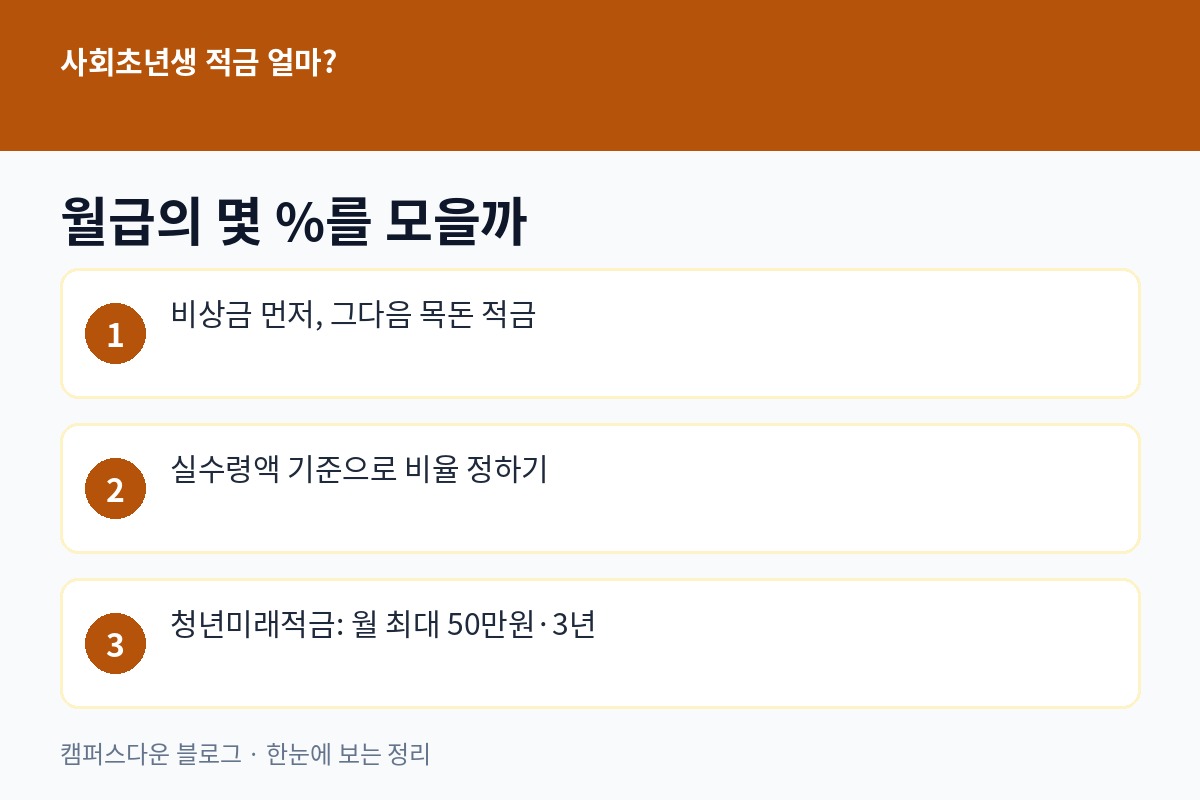
사회초년생 적금 얼마? 월급별 비율 예시와 청년미래적금 2026
44 readers so far
Make Korean friends & friends from around the world learning Korean
Chat easily with people from many countries who love Korea.
 Beauty UP
대학생 가성비 기초 루틴 — 꼭 필요한 3단계만 남기기
321 readers so far
 Psych UP
카톡 온도차 테스트|답장은 차가운데 마음은 뜨거울 수도
6 people have taken it so far
Criticism and current use
Stockholm syndrome appears in neither the DSM nor the ICD. A 2008 review found no agreed criteria and noted that most accounts rely on media reports. Hostage Kristin Enmark later argued that distrusting the police was a rational response, since their tactics endangered the hostages. Psychologists now often use "trauma bonding" to describe why victims of domestic or dating abuse struggle to leave, and caution against using either label to blame victims. Survivors may need treatment for PTSD.
FAQ
- What is Lima syndrome?
- The reverse effect—captors develop sympathy for their hostages and soften their behavior.
- Is Stockholm syndrome a diagnosis?
- No. It's an informal term, best understood as one kind of trauma response.
Sources reviewed: 2026-10-26
References
- Bejerot, N. (1974). The six day war in Stockholm. New Scientist, 61, 486–487.
- Namnyak, M., et al. (2008). 'Stockholm syndrome': psychiatric diagnosis or urban myth? Acta Psychiatrica Scandinavica, 117(1), 4–11.
- Graham, D. L. R., Rawlings, E., & Rigsby, R. (1994). Loving to Survive: Sexual Terror, Men's Violence, and Women's Lives. NYU Press.