
What is fair use?
Fair use is a limit on copyright that lets people use parts of a copyrighted work without the owner's permission in certain circumstances. Section 107 of the Copyright Act of 1976, codified at 17 U.S.C. § 107, lists purposes such as criticism, comment, news reporting, teaching, scholarship and research, and tells courts to weigh four factors. The doctrine began in court decisions, most famously Justice Joseph Story's opinion in Folsom v. Marsh (1841), before Congress wrote it into the statute.
Fair use is a defense: a person sued for infringement argues that the use was fair, and the court decides case by case. It sits alongside other limits on copyright, such as the rule that ideas and facts are not protected, and the First Amendment value of free expression. The basics of what copyright protects are covered in copyright basics.
- Federal law
- 17 U.S.C. § 107
- Test
- Four factors, weighed together
- Key idea
- Transformative use
- Official resource
- U.S. Copyright Office Fair Use Index
There is no fixed word count or second limit that is always safe. Fair use is a judgment about purpose and effect, not a quota.
The four factors
- Purpose and character of the use: Is it commercial or nonprofit and educational? Does it add new expression, meaning or purpose, which courts call transformative use?
- Nature of the copyrighted work: Using factual works is more likely to be fair than using highly creative ones, and unpublished works get extra protection.
- Amount and substantiality: Courts look at how much was taken and whether it was the heart of the work.
- Effect on the market: Courts ask whether the use substitutes for the original or harms markets for licensed derivatives.
Key Supreme Court cases
In Sony Corp. v. Universal City Studios (1984), the Court held that recording TV shows at home to watch later was fair use. Harper & Row v. Nation Enterprises (1985) found that publishing the heart of an unpublished memoir was not. Campbell v. Acuff-Rose Music (1994) held that a commercial parody can be fair use and put transformative use at the center of the first factor. In Google LLC v. Oracle America (2021), the Court found that Google's copying of parts of the Java API to build Android was fair use. In Andy Warhol Foundation v. Goldsmith (2023), it held that licensing a Warhol print based on a photograph for a magazine cover shared the photo's purpose and was not fair use under the first factor.
Fair use in Korea
Korea's Copyright Act long relied on specific exceptions, such as quotation for news, criticism, education and research under Article 28. In 2011, as part of implementing the Korea-U.S. Free Trade Agreement, Korea added a general fair use clause modeled on U.S. law, now Article 35-5, which lets courts weigh similar factors. Korean courts held that thumbnail images in search results were a permitted quotation, while a lower court found that airing about three minutes of a film in an entertainment show without permission was not. A Korean paper on Basics of Korean Copyright Law: Moral Rights and Economic Rights, Creative Commons and Korea Open Government License, and Three Court Cases walks through moral rights, Creative Commons, the Korea Open Government License and three cases. Related Korean papers cover character copyright in Copyright for Applied Art and Characters in Korea: Supreme Court Case 2015Do11550, Separability, and U.S., German and Japanese Comparisons and font copyright and patent warning letters in Responding to Patent Troll Demand Letters, Font Copyright Claims and Trademark Infringement: Four IP Disputes Small Korean Companies Face.
| United States | Korea | |
|---|---|---|
| Main provision | 17 U.S.C. § 107 (1976) | Copyright Act Article 35-5 (2011) |
| Test | Four factors | Four factors |
| Separate quotation rule | No, part of fair use | Yes, Article 28 |
| Case law | Extensive, including Supreme Court cases | Still developing |
| Hot issue | AI training | AI training, thumbnails, parody |
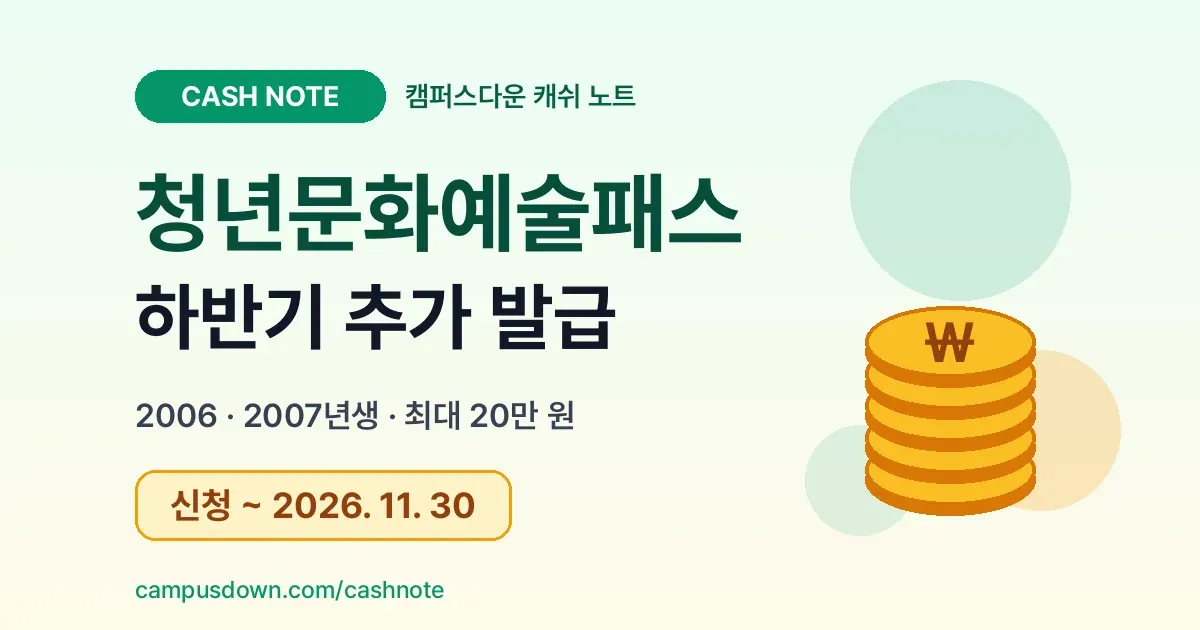 Cash Note
청년문화예술패스 하반기 추가 발급 — 2006·2007년생 최대 20만 원, 11월 30일까지
41 readers so far
Make Korean friends & friends from around the world learning Korean
Chat easily with people from many countries who love Korea.
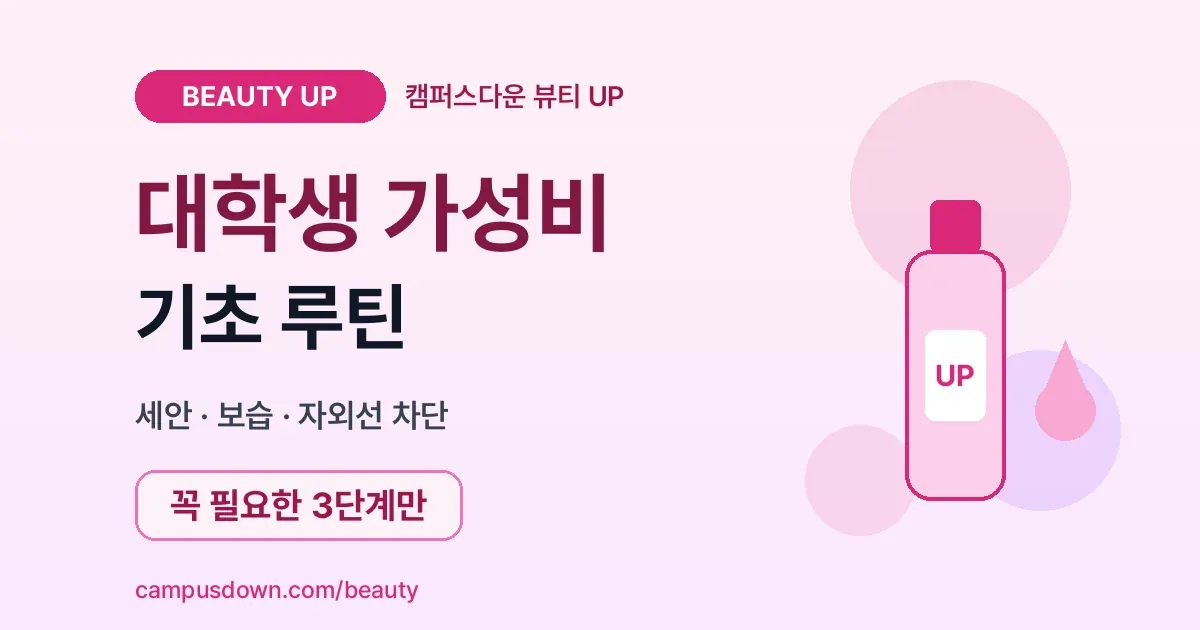 Beauty UP
대학생 가성비 기초 루틴 — 꼭 필요한 3단계만 남기기
116 readers so far
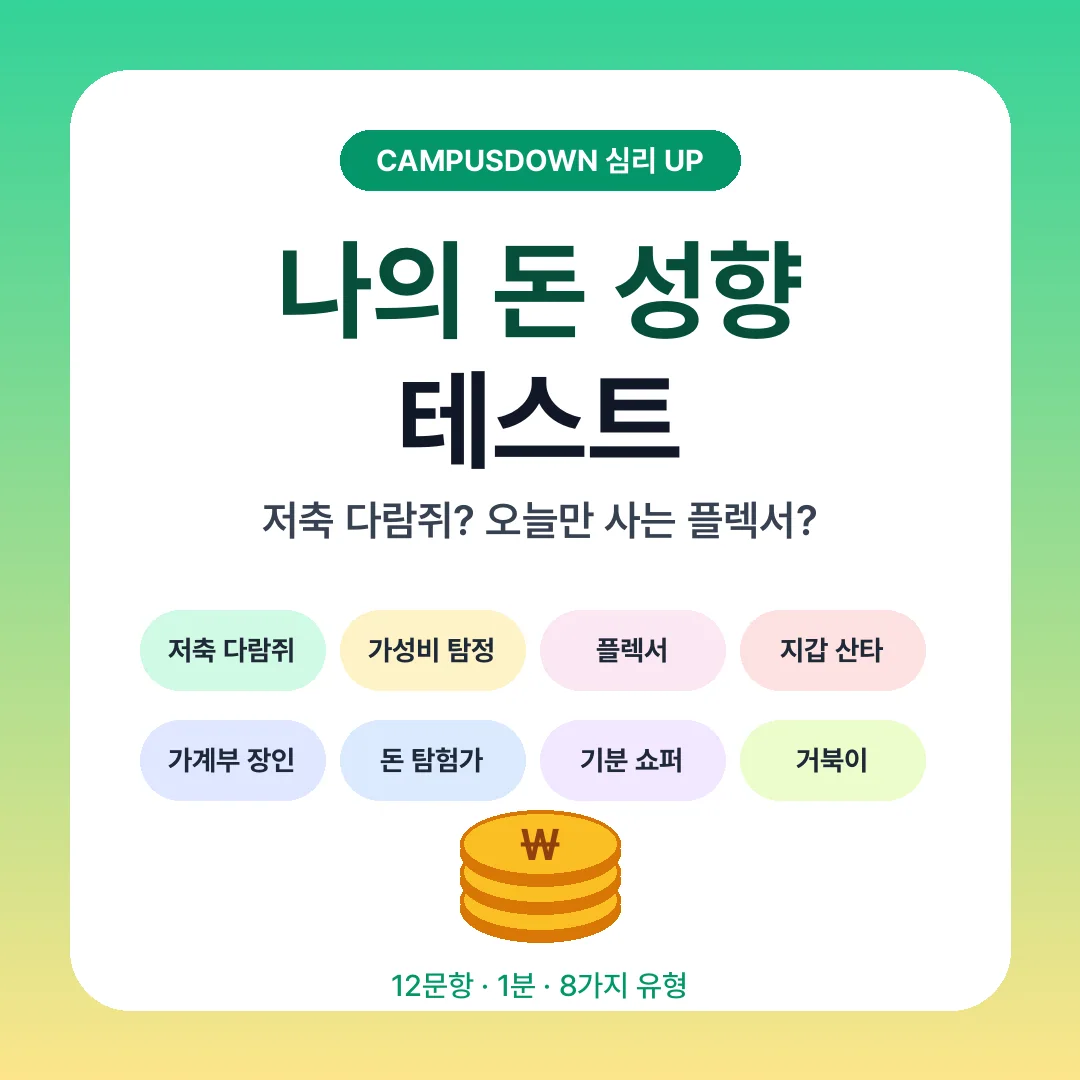 Psych UP
나의 돈 성향 테스트|저축 다람쥐? 오늘만 사는 플렉서?
2 people have taken it so far
Criticism and debate
Supporters say fair use keeps copyright from blocking criticism, scholarship, parody and new technology. Critics say its case-by-case nature makes outcomes hard to predict, so creators and users both face legal risk. The biggest current fight is over training generative AI on copyrighted works. In 2025, two federal district judges in California found that training models on books could be transformative, while leaving issues such as the use of pirated copies and market harm open, and appeals, other lawsuits and policy debates continue.
Before you use someone else's work, write down why you need it. If your use adds something new and does not replace the original, you are on stronger ground.
- Is it fair use if I give credit?
- Not necessarily. Credit is good practice, but fair use depends on the purpose of the use, the nature of the work, how much you took and the effect on the market.
- Is all educational or nonprofit use fair use?
- No. Nonprofit educational purpose helps under the first factor, but copying whole works or substituting for the original can still infringe.
- How much can I quote safely?
- There is no fixed safe amount. Courts look at both quantity and whether the part used is the heart of the work.
References and official sources
- U.S. Copyright Office Fair Use Index. U.S. Copyright Office
- 17 U.S. Code § 107, Limitations on exclusive rights: Fair use. Cornell Law School Legal Information Institute
- Campbell v. Acuff-Rose Music, Inc., 510 U.S. 569 (1994). Justia
- 저작권법. 국가법령정보센터