
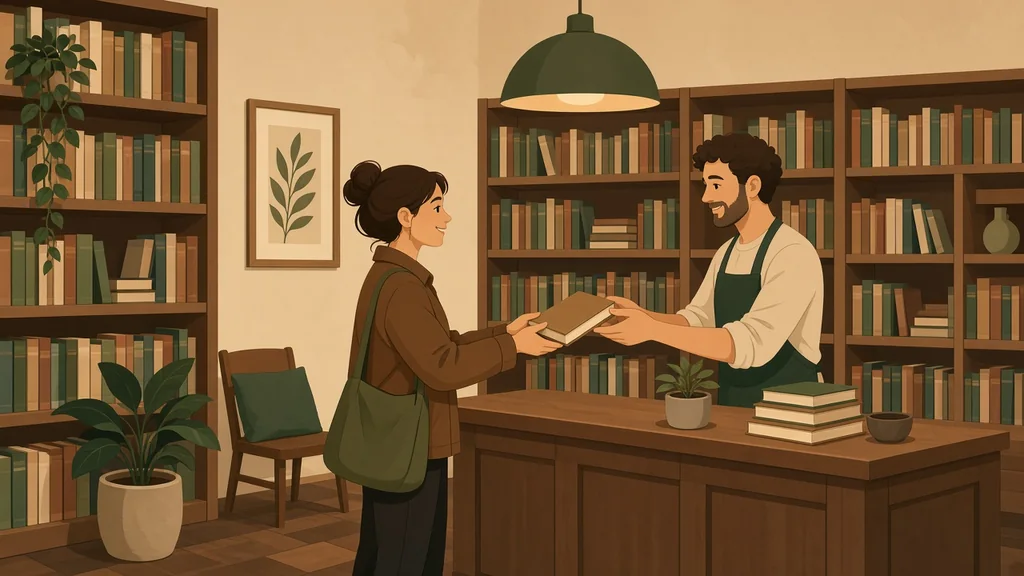
You can sell your used textbook, lend a novel to a friend or donate a DVD to a library without asking anyone's permission. The reason is the first-sale doctrine, a rule of United States copyright law that makes secondhand markets legal. It is also why libraries, used bookstores and resale sites exist.
What the doctrine says
Copyright gives the owner the exclusive right to distribute copies of a work. The first-sale doctrine limits that right: once a particular copy has been lawfully sold or given away, the owner of that copy may resell or lend it. The copyright holder controls the first sale, not later ones. The rule began in a 1908 Supreme Court decision and was codified in the Copyright Act of 1976 as 17 U.S.C. § 109(a).
Key idea
The doctrine applies to the physical copy you own, not to the work itself. You may resell your copy of a book, but you may not make new copies. It also does not apply if you merely rent or borrow the item without acquiring ownership.

US cases
- When and where
- Decided June 1, 1908, Supreme Court of the United States
- What happened
- The publisher Bobbs-Merrill printed a notice in its novel The Castaway saying the book's retail price was $1 net and that selling it for less would infringe the copyright. The New York department store R. H. Macy & Company, run by Isidor and Nathan Straus, bought copies at wholesale and sold them for 89 cents. Justice William Day wrote for the Court that the copyright statute's exclusive right to vend did not allow a publisher to control the price at which later buyers resell a book after the publisher has sold it.
- Why it matters
- The decision is the origin of the American first-sale doctrine. It freed retailers and secondhand dealers from publisher-set resale terms.
- When and where
- Decided March 19, 2013, Supreme Court of the United States
- What happened
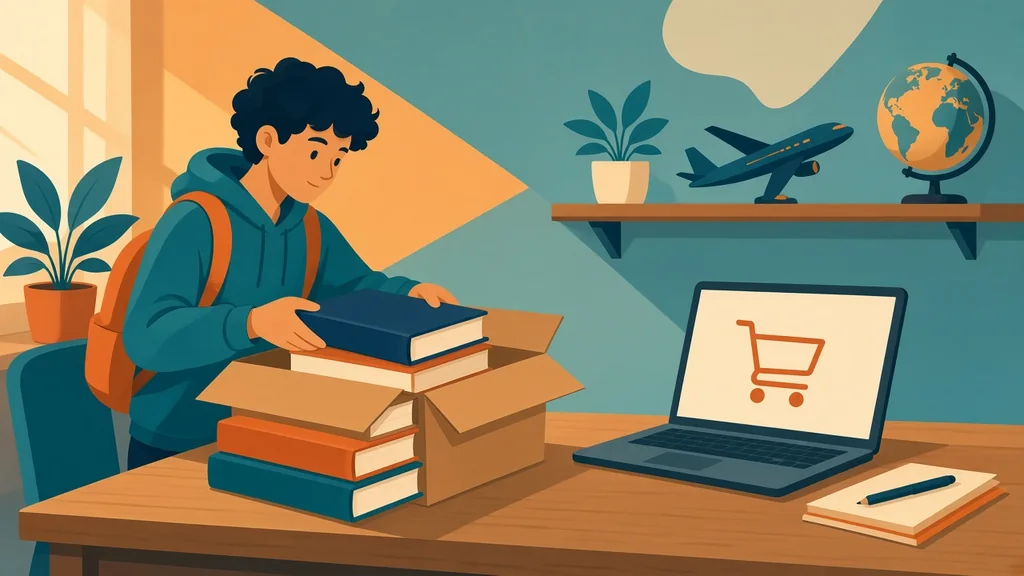
- Supap Kirtsaeng, a native of Thailand who came to the United States in 1997 to study mathematics at Cornell University, found that textbooks made abroad for sale in Asia were much cheaper there. He had them shipped to the US and resold them online, and the publisher John Wiley & Sons sued him in 2008. By a vote of 6–3, with Justice Stephen Breyer writing the majority opinion, the Court held that the first-sale doctrine applies to copies lawfully made abroad. Justice Ruth Bader Ginsburg dissented, joined by Justices Kennedy and Scalia.
- Why it matters
- Libraries and used-book sellers had warned that a different ruling could make it risky to resell millions of foreign-made items. The decision confirmed that a lawful copy can be resold in the US wherever it was made.
Digital works and limits
The doctrine fits poorly with digital goods. When a digital file is sent to a new owner, the process makes a new copy rather than transferring the old one. In Capitol Records, LLC v. ReDigi Inc., a case involving an online marketplace for used digital music, courts declined to extend first sale to such resales. Many software and e-book sellers also say they license rather than sell their products, and courts have struggled to decide when a transaction is a sale and when it is a license. Supporters of resale argue that ownership should survive in the digital age, while publishers argue that perfect copies would harm their markets.
Related concepts
The doctrine sits beside fair use, another limit on copyright owners' control, and the basics of the law are summarized in copyright basics. Resale markets also shape prices, as described by the law of demand. Companies that want to hold prices sometimes shrink products instead, a practice called shrinkflation, and the castle doctrine is another American legal rule that protects what people own and control.
Study material (Korean): 「저작권법 기초와 판례: 저작인격권과 저작재산권, CCL과 공공누리, 롯티 사건과 공정한 인용」
Frequently asked questions
- What is the first-sale doctrine in simple terms?
- It means that after a copyrighted item is sold, the buyer can resell, lend or give away that copy without permission from the copyright holder.
- Does the first-sale doctrine apply to digital downloads?
- Generally not in the same way. Courts have not extended it to resale of digital files, and many digital products are licensed rather than sold.
- Can I sell a book I bought abroad in the United States?
- After Kirtsaeng v. Wiley (2013), the first-sale doctrine applies to copies lawfully made abroad, so you generally can.