
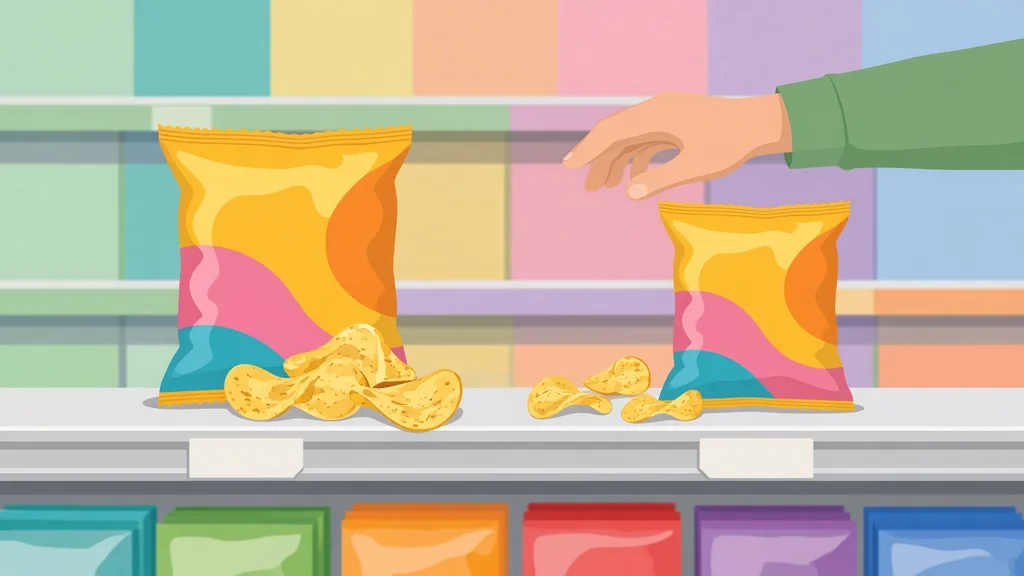
Has your bag of chips, roll of paper towels or bottle of sports drink seemed smaller lately, even though the price is the same? That is shrinkflation, and it became a widely discussed consumer issue in the United States during the inflation of the early 2020s.
What it is
Shrinkflation, also called package downsizing, means a product gets smaller in size or quantity while its price stays the same or even rises. The word combines "shrink" and "inflation." Its first use in the current sense is usually attributed to economist Pippa Malmgren.
Because the sticker price does not change, the real increase shows up only in the unit price, such as the price per ounce or per sheet. Shoppers who compare only shelf prices may not notice.

Why companies do it
Economist Barak Orbach argues that competition typically drives shrinkflation: when costs rise, firms must pass them on, but a visible price increase is risky in a competitive market, so firms raise prices indirectly by downsizing. Companies sometimes present smaller packages as healthier portions or as using less packaging.
Key idea
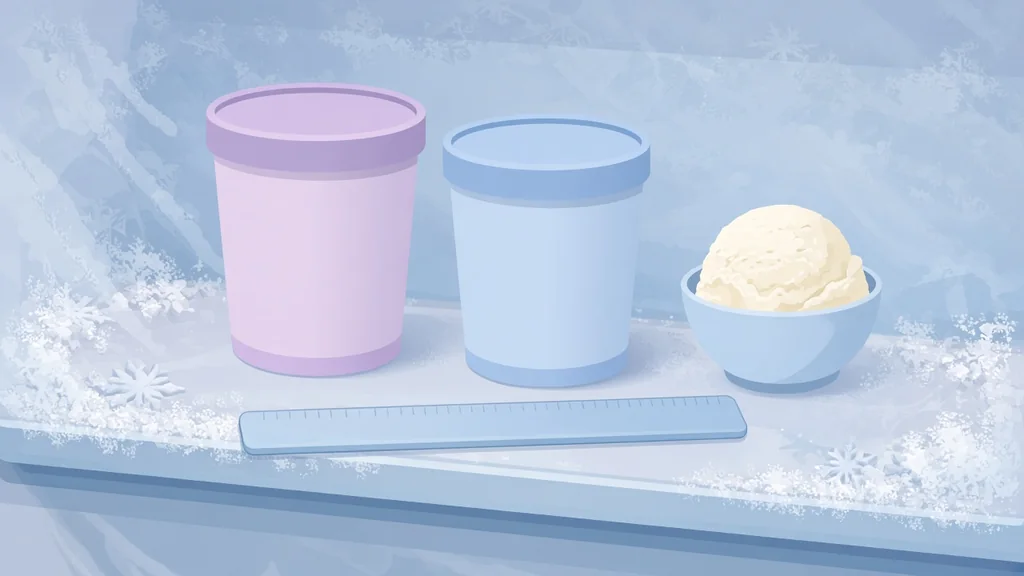
Shrinkflation is a price increase. The price per unit goes up even when the number on the shelf tag stays the same.
US cases
- When and where
- January 2009, United States
- What happened
- Häagen-Dazs announced it would reduce its US ice cream cartons from 16 fluid ounces to 14 fluid ounces.
- Why it matters
- The change became one of the most cited early American examples of package downsizing, years before the term entered everyday conversation.
- When and where
- February 11, 2024, and February 28, 2024, Washington, D.C.
- What happened
- Ahead of Super Bowl LVIII, President Joe Biden posted a video calling shrinkflation "a rip-off" and saying, "The American public is tired of being played for suckers." A December 2023 report by Senator Bob Casey of Pennsylvania had found, for example, that Gatorade bottles held 12% less liquid and Double Stuf Oreos weighed 6% less than before. On February 28, 2024, Casey introduced the Shrinkflation Prevention Act, which would direct the Federal Trade Commission to treat shrinkflation as an unfair or deceptive practice.
- Why it matters
- The bill did not become law, but the episode turned a grocery store annoyance into a national political issue and brought the word into mainstream American news.
Criticisms and debate
- Small effect on overall inflation: the US Bureau of Labor Statistics has written that product downsizing added an average of about 0.01 percent per year to the overall index between 2015 and 2019, so it has a very small impact on the inflation picture even if shoppers notice it.
- Political framing: critics argued that blaming shrinkflation on corporations deflected attention from broader causes of inflation.
- Consumer advocates' view: advocates reply that the problem is not the size of the effect but the stealth, because hidden unit price increases make it harder for people to make informed choices.
How to spot it
- Check the unit price on the shelf label, not just the total price.
- Compare net weight or count with what you bought before.
- Look for "new look" packaging, which sometimes accompanies a size change.
Related concepts
The Big Mac index compares what the same product costs across countries, which is harder to do when products quietly change size. The point at which extra cost cutting yields less benefit relates to diminishing returns, debates over what a product is really worth go back to the labor theory of value, and the Austrian school of economics offers its own account of why prices rise. Prices that rise without any change in fundamentals are discussed in the greater fool theory.
Study material (Korean): 「노브랜드 가격 결정 사례, 가격 설정 6단계와 소비자 구매 영향」
Frequently asked questions
- What is shrinkflation in simple terms?
- It is when a product gets smaller but its price stays the same, so you pay more per unit without noticing.
- Is shrinkflation illegal in the US?
- No. It is generally legal as long as the package correctly states the net quantity. A 2024 Senate bill proposed treating it as a deceptive practice, but it did not become law.
- How can I avoid shrinkflation?
- Compare unit prices, check net weight or count, and watch for redesigned packages that may signal a smaller size.