
What is public assistance?
Public assistance, often called welfare, means government benefits paid for by taxes and given to people whose income and assets fall below set limits. Unlike Social Security retirement benefits, which depend on a work record, these programs are means-tested: eligibility turns on need. In the United States there is no single welfare program. Instead, several programs cover different needs, and each has its own rules, agency and application.
Most are joint federal-state programs. Washington provides much of the money and sets basic rules, while states run the programs and make many choices about eligibility and benefit levels, another example of American federalism. That is why the same family can qualify in one state and not in the next.
- Food
- SNAP (formerly food stamps)
- Cash for families
- TANF
- Older or disabled adults
- SSI
- Health coverage
- Medicaid
The word "welfare" covers very different programs. Food aid, cash aid and health coverage each have their own rules.
The main programs
- SNAP: The Supplemental Nutrition Assistance Program, renamed from food stamps in 2008, gives monthly benefits on an EBT card to buy groceries. It is overseen by the U.S. Department of Agriculture and run by state agencies.
- TANF: Temporary Assistance for Needy Families gives cash aid to low-income families with children. States receive a fixed block grant and design their own programs.
- SSI: Supplemental Security Income, run directly by the Social Security Administration since 1974, pays monthly cash to people with very low income and assets who are 65 or older, blind or disabled.
- Medicaid: Created in 1965 alongside Medicare, it covers health care for low-income people. The Affordable Care Act let states expand it to most adults with income up to 138 percent of the federal poverty level, and most states have done so.
The 1996 welfare reform
The Personal Responsibility and Work Opportunity Reconciliation Act of 1996 replaced the old Aid to Families with Dependent Children program with TANF. It turned an open-ended entitlement into a block grant, required most adult recipients to work or prepare for work, and set a lifetime limit of 60 months on federally funded cash aid, though states may exempt some families. SNAP also has work rules for many adults without dependents.
Applying and keeping benefits
You apply for SNAP, TANF and Medicaid through your state or county agency, often online, and for SSI through the Social Security Administration. Expect to show proof of identity, income, housing costs and household members. Benefits are reviewed periodically, and changes in income or household must be reported. Medicaid has no premium for most enrollees, and SSI recipients in many states get Medicaid automatically.
How Korea compares
Korea runs one main program, basic livelihood security (기초생활보장), under a 1999 law in force since October 2000. Since July 2015 it pays separate living, medical, housing and education benefits, each with its own cutoff set as a share of the national median income: 32, 40, 48 and 50 percent since 2024. A family support rule, which denied aid if parents or children could support the applicant, was removed for education and housing benefits and mostly for living benefits, but still applies to medical benefits.
After a 2014 case in Seoul's Songpa district exposed people falling through the gaps, Korea passed a law in 2014 to find households in crisis using data such as unpaid utility bills. A Korean paper on Welfare Blind Spots in Korea: The 2014 Songpa Mother and Daughters Case, the Purpose of Social Welfare Law, and Fixing the Delivery System analyzes that case, and Who Holds Constitutional Rights in Korea and Who Delivers Welfare: Citizens, Foreigners and Corporations as Rights Holders, and the State and Social Welfare Corporations and Tax Law vs. Social Welfare Law in Korea: Public Law, Private Law and Social Law, the No Taxation Without Law Principle, and the Rise of Social Law cover who delivers welfare and where welfare law sits among legal fields.
| United States | Korea | |
|---|---|---|
| Structure | Separate programs: SNAP, TANF, SSI, Medicaid | One system with separate benefits |
| Who runs it | Federal money, mostly state-run | National rules, local offices |
| Cash aid time limit | 60 months of federal TANF | No time limit |
| Family support rule | Household income counts | Remains only for medical benefits |
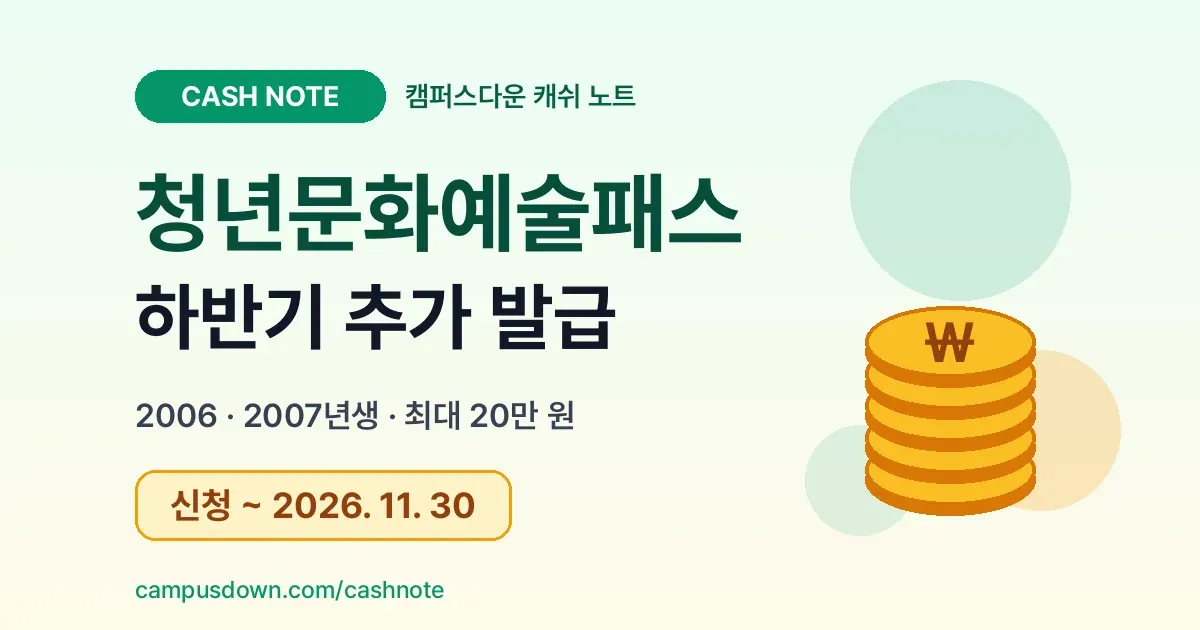 Cash Note
청년문화예술패스 하반기 추가 발급 — 2006·2007년생 최대 20만 원, 11월 30일까지
41 readers so far
Make Korean friends & friends from around the world learning Korean
Chat easily with people from many countries who love Korea.
 Beauty UP
대학생 가성비 기초 루틴 — 꼭 필요한 3단계만 남기기
116 readers so far
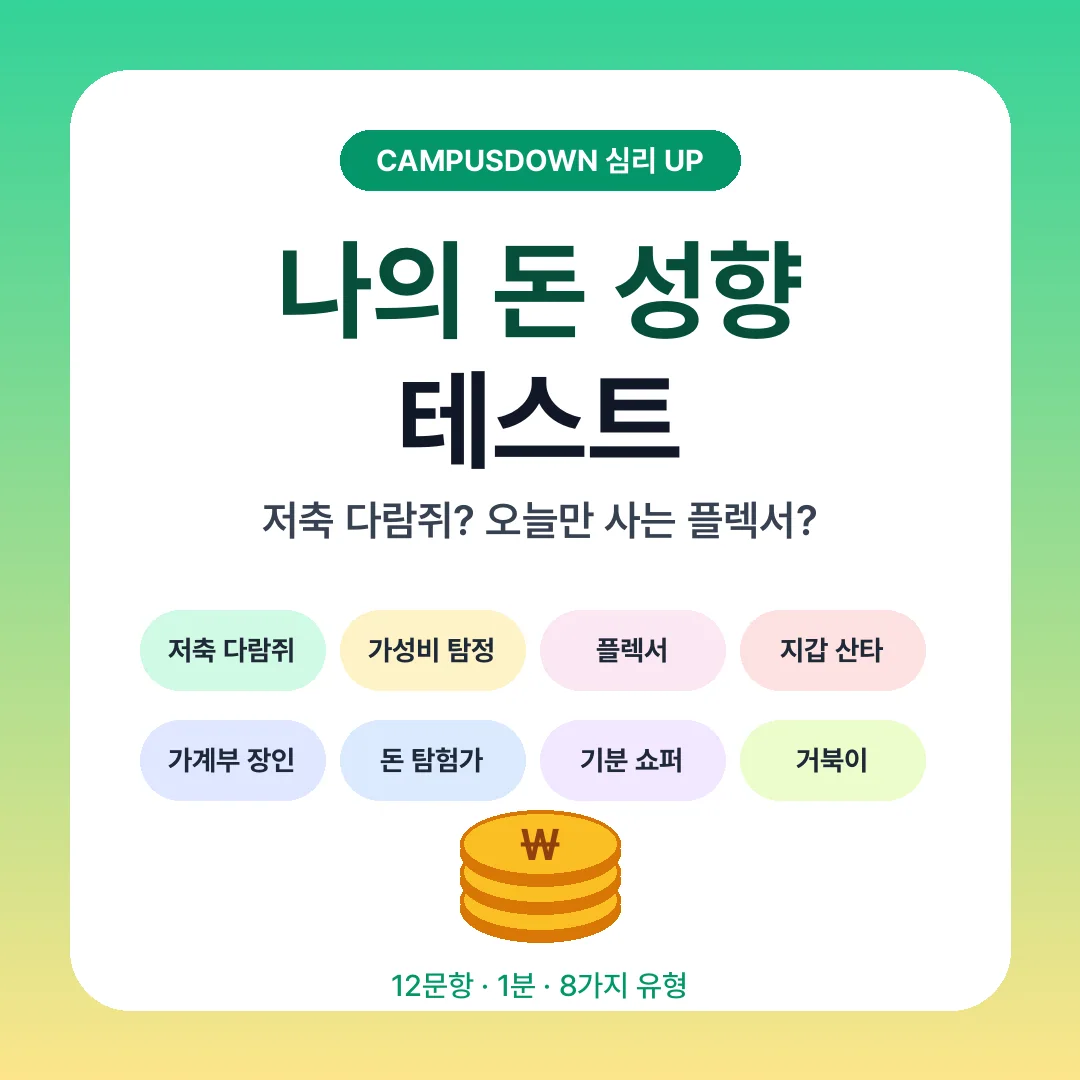 Psych UP
나의 돈 성향 테스트|저축 다람쥐? 오늘만 사는 플렉서?
2 people have taken it so far
Criticism and debate
Supporters of the 1996 reform credit it with moving many families into work, while critics point out that TANF now reaches a much smaller share of poor families and that its block grant has lost value to inflation. Debates over work requirements for SNAP and Medicaid continue in Congress and the states. In Korea, the arguments focus on low benefit levels, the remaining family support rule and people who never apply because they don't know they qualify.
Keep copies of everything you submit and every notice you receive. Most benefit disputes come down to paperwork and deadlines.
- What is the difference between SSI and Social Security?
- Social Security retirement and disability benefits depend on your work record, while SSI is a needs-based program for people with very low income and assets who are 65 or older, blind or disabled.
- Is there a time limit on welfare?
- Federally funded TANF cash aid is limited to 60 months over a lifetime, with some state exemptions. SNAP and Medicaid have no general lifetime limit, though SNAP has time limits for some adults without dependents who don't meet work rules.
- Where do I apply for food stamps?
- Apply for SNAP through your state's SNAP agency, usually online or at a local office; the USDA website lists each state's agency.
References and official sources
- Supplemental Nutrition Assistance Program. U.S. Department of Agriculture
- Temporary Assistance for Needy Families. U.S. Department of Health and Human Services
- Supplemental Security Income. Social Security Administration
- Medicaid eligibility. Medicaid.gov
- 국민기초생활 보장법. 국가법령정보센터